
Institutional Painting in Canton, OH
Straight Line Painting handles institutional painting across Canton and Stark County: schools and universities, churches, and occupied hospitals and healthcare facilities, painted around the calendar the building already runs on rather than one a contractor sets for it. We are MBE and EDGE certified, OSHA certified, Lead Renovation certified, and Drug-Free Workplace certified, certifications that count directly on a public or institutional bid and that none of Canton’s map-pack painters currently carry. Named work stands behind the claim: Theodore Roosevelt High School, a Tri-C campus building, Church of The Western Reserve, and an Ohio Army National Guard armory.
Straight Line Painting handles institutional painting across Canton and Stark County: schools and universities, churches, and occupied hospitals and healthcare facilities, painted around the calendar the building already runs on rather than one a contractor sets for it. We are MBE and EDGE certified, OSHA certified, Lead Renovation certified, and Drug-Free Workplace certified, certifications that count directly on a public or institutional bid and that none of Canton’s map-pack painters currently carry. Named work stands behind the claim: Theodore Roosevelt High School, a Tri-C campus building, Church of The Western Reserve, and an Ohio Army National Guard armory.
- Owner: 25+ Years in the Trade
- Est. 2012
- Fully Insured & Workers Comp
- OSHA Trained
- MBE Certified
- EDGE Certified
Schools, Universities and Churches
An institutional building is not judged the way a storefront is. A school district answers to a business manager and a bid file, a church answers to a trustee board and a congregation, and a college answers to a facilities director running several buildings on one capital plan. The buildings differ, but the buyer’s real question is the same one every time: will this crew get in, get the work done, and get out on the calendar the building actually runs, not one built around the painter.
A bid worth comparing on institutional work names the building type’s own rules, not a generic scope. Four facts that belong in that conversation before a number does:
Hospitals and Healthcare Facilities
A hospital does not evaluate a painting bid on price first. Facilities signs the contract, but infection prevention decides whether work may start at all and whether a containment barrier may come down, and neither one is convinced by a low number. Under the current ICRA precautions matrix, the class of precaution a painting job triggers is set by duration and odor as much as by dust, so a same-shift touch-up in a public corridor and a multi-day repaint beside a patient unit are two different permits, not the same job at two prices. Understanding that distinction before being taught it is the standard behind hospital and healthcare facility painting in Canton
Read more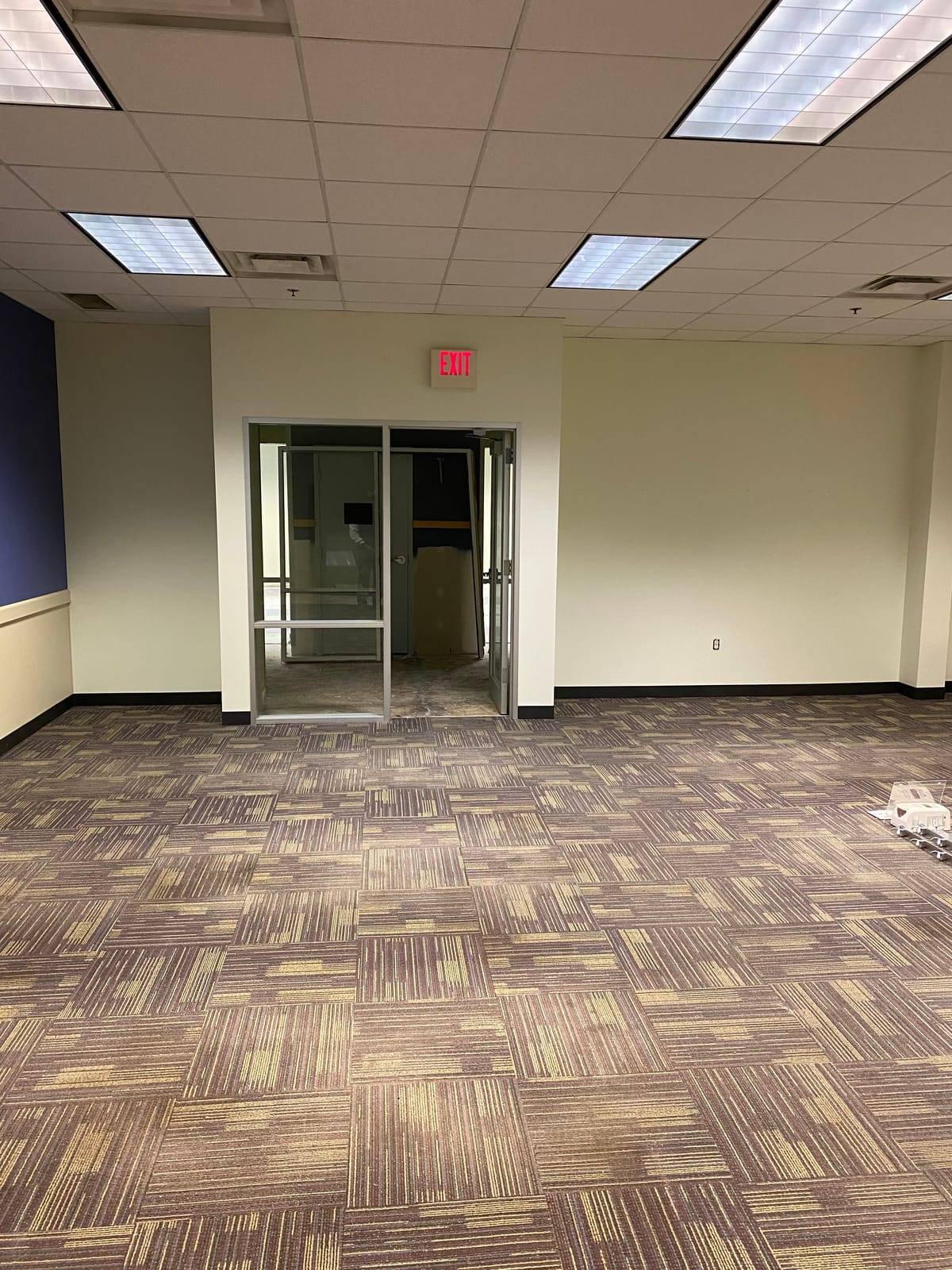
Night, Weekend and Phased-Shift Painting for Occupied Buildings
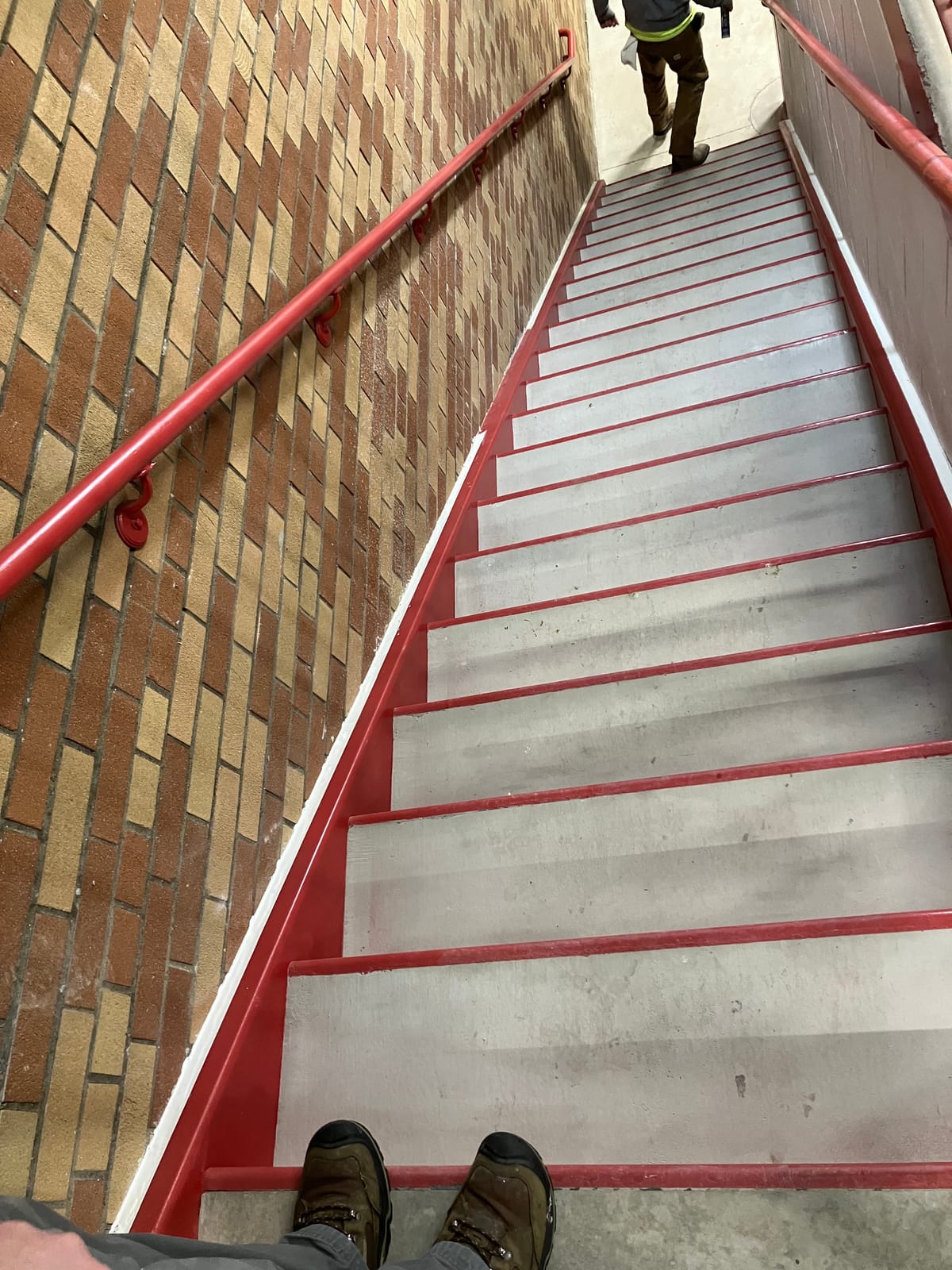
The real question behind night and weekend work is not how late the crew stays, it is what the building looks like when the doors reopen. A hospital’s own after-hours rules require a signed work permit, a site secured the moment work stops, and any fire or smoke wall patched inside the same shift so the building’s fire rating never lapses overnight. Schools run the same discipline on a shorter calendar: teacher workdays, testing weeks, and the stretch between the last bell in June and the first day back in August. Theodore Roosevelt High School’s stairwell and a high-bay classroom addition were both turned around on exactly that kind of window, which is the pace behind night, weekend and phased-shift painting in Canton
Read more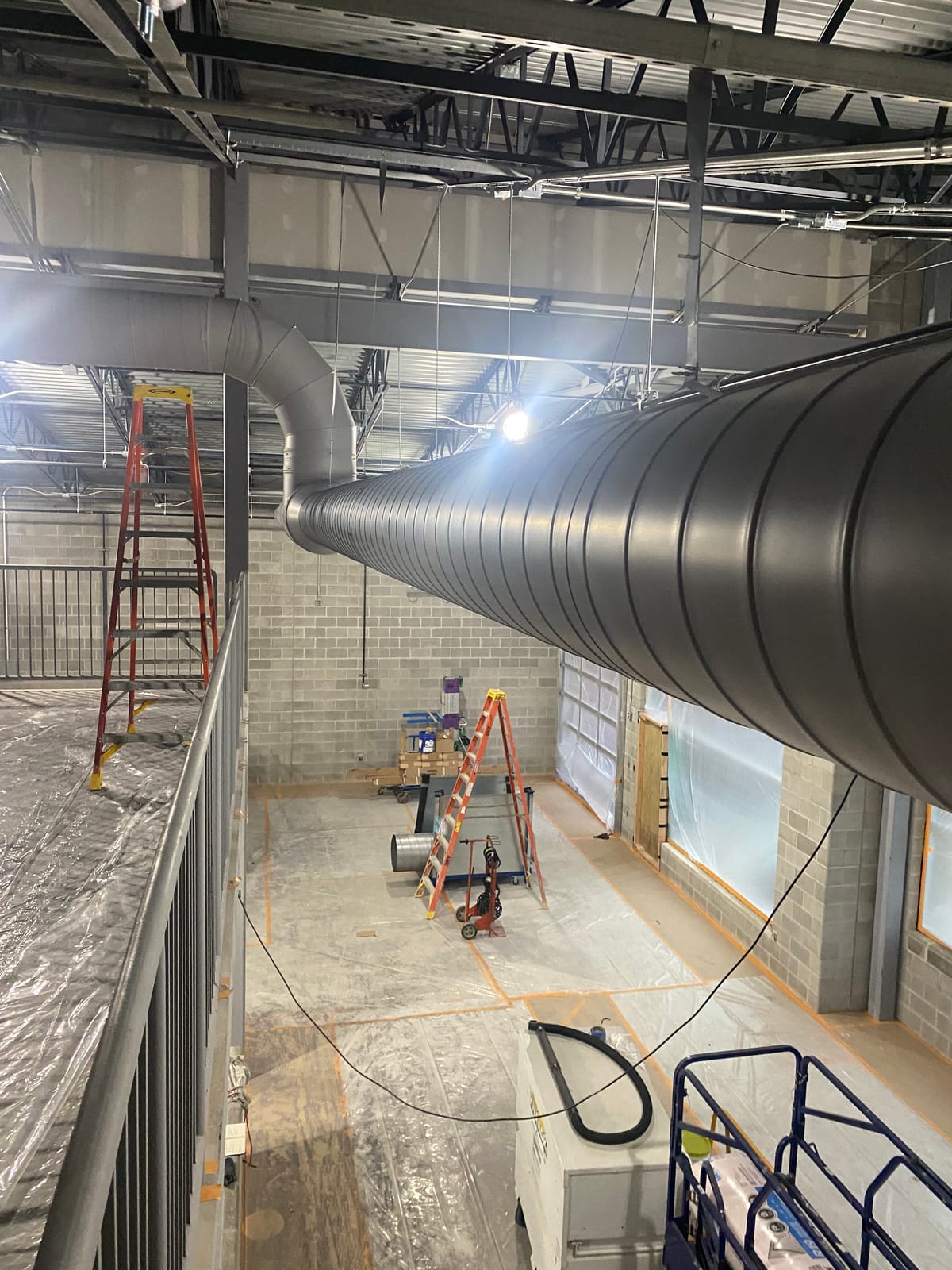
Low-VOC Painting for Occupied Offices, Medical and Restaurant Spaces
“Low-VOC” and “no odor” are not the same claim, and the FTC has already ruled on the difference: phrases like “no odor” or “odor free” are read as a promise about every compound in the room, not just the ones Ohio’s VOC rule regulates, and a manufacturer’s own zero-VOC data sheet still carries a ventilation warning on the same label. The honest version is more useful anyway: a coating chosen to Ohio’s 2024 limit, an emissions certificate available on request, work sequenced so occupants are not in the room during application, and the space ventilated before hand-back. That is how we approach low-VOC painting for occupied Canton offices, medical suites and restaurants
Read more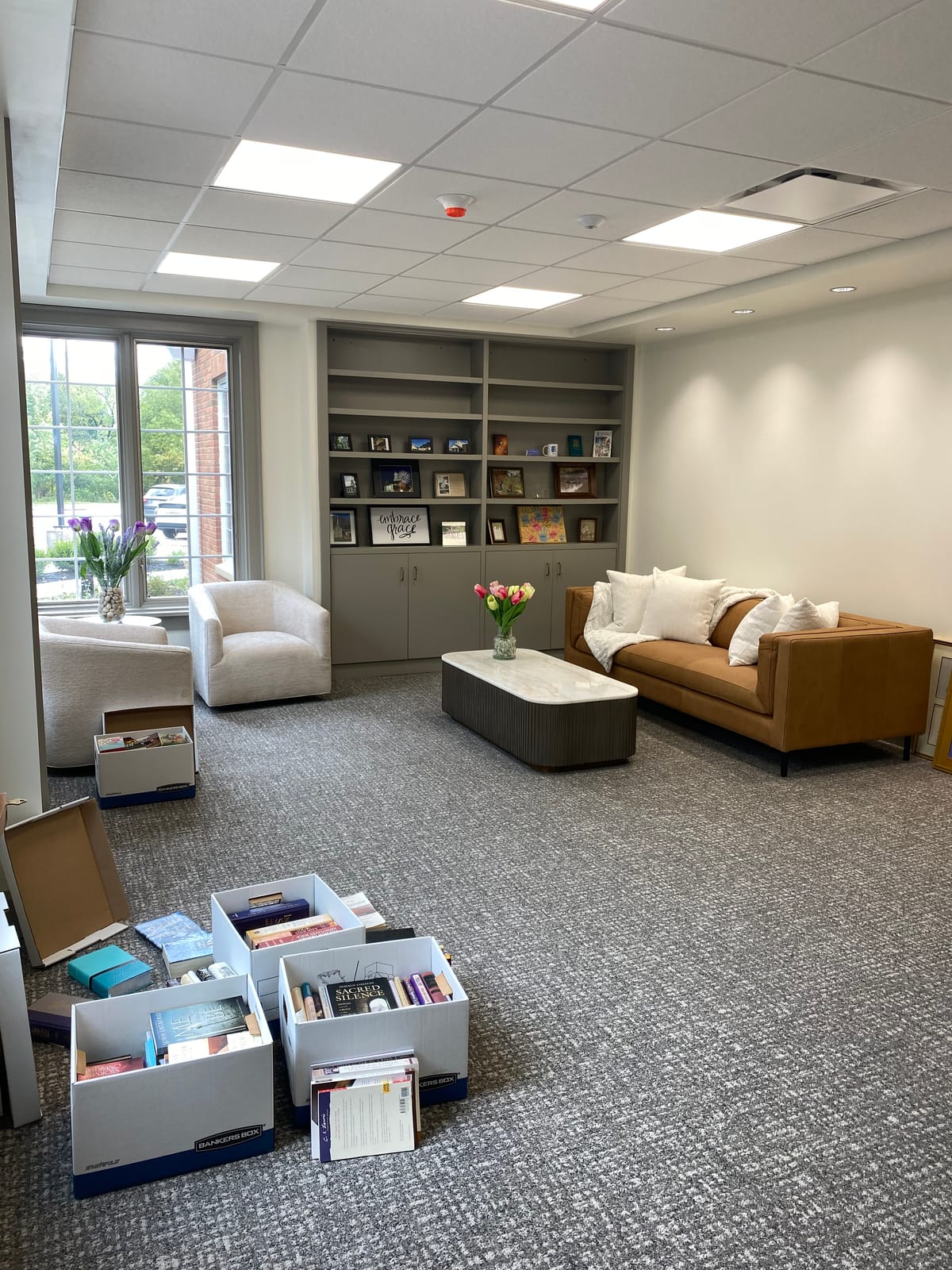
How an Institutional Painting Job Gets Scheduled and Cleared
- 01
Walkthrough
We look at the space or the plans in person or by photo, so the scope is based on the real building, not a guess.
- 02
Scope and bid
You get a written scope and a firm bid before any work starts, priced on the actual square footage and conditions.
- 03
Schedule
We set a start date and a sequence that works around your hours, your tenants, or your school calendar.
- 04
Prep
Surfaces are cleaned, repaired, and masked off before a drop of paint or coating goes down.
- 05
Application
Crews apply the coating or material to spec, with the site kept clean and safe throughout.
- 06
Punch list
We walk the finished space with you and close out anything on the list before we call it done.
- 07
Closeout
You get the final walkthrough, any warranty paperwork, and a clean handoff.
What Affects the Cost of Institutional Painting
| Factor | Why It Moves the Number |
|---|---|
| Building type and who signs off | A school board, a hospital’s facilities and infection-prevention teams, and a church trustee board each add their own approval layer before work can start. |
| Occupancy during the work | A same-shift repaint in an empty summer classroom costs less than a phased job beside a working nurses’ station or a Sunday-to-Sunday sanctuary schedule. |
| ICRA class, in a hospital | Painting without sanding is a different permit than painting that creates dust or runs longer than one shift; the class is set by duration and odor, not chosen by the painter. |
| Background-checked or escorted crew | Ohio law gives a district two lawful routes when a crew has routine contact with children: a BCI-checked crew, or a staff member within thirty yards for the duration of the work. |
| Lead-safe scope | EPA’s RRP rule applies to pre-1978 preschool, kindergarten, and daycare rooms specifically, not the whole building, and the correct scope changes the prep method and the cost. |
| Historic surfaces | Original woodwork and plaster in an older sanctuary or school building can be permanently damaged by the wrong stripping method, so prep is priced to the material. |
Painting Around a School Calendar
Ohio’s prevailing wage law carries a categorical exemption for public school work that most facility managers outside a district’s own business office never hear stated this plainly: ORC 4115.04(B)(3) exempts a public improvement “undertaken by, or under contract for, the board of education of any school district” from Ohio prevailing wage, and the statute goes further, stating “under no circumstances shall a public authority apply the prevailing wage requirements of this chapter” to that work. That is not a threshold a district crosses into and out of depending on project size; a Canton-area school repaint is exempt at $80,000 or at $800,000. The same-sized job at a public college, city, or county building is a different rule entirely, and clears Ohio’s $75,000 renovation-and-painting prevailing-wage threshold once it crosses that line. Knowing which of those two rules governs a given building, before pricing it, is the first real qualification test on institutional work.
The school district’s own competitive-bidding threshold is a separate number from prevailing wage, set under ORC 3313.46 and adjusted three percent every year under ORC 9.17; it moved from $50,000 to $75,000 in October 2024 and, at that rate, sits at roughly $79,568 for calendar 2026. A change effective September 30, 2025 widened what counts: Ohio House Bill 96 amended the statute’s language from “school building” to “any building or other property,” which the Ohio Auditor of State’s own bulletin confirms now pulls bus garages, stadiums, concession stands, and maintenance buildings onto the same bid list as classrooms. Work a district could once hand to a favored contractor without advertising now has to be bid.
Background screening on a school job is triggered by contact with children, not by walking onto school property. ORC 3319.39 governs people applying for employment with a district; a contractor’s crew is reached instead by ORC 3319.391 and 3319.392, which apply only when the work involves “routine interaction with a child.” Where that trigger exists, Ohio law gives a district two lawful paths: the crew is BCI-checked, with a repeat check every fifth year and enrollment in the state’s retained-fingerprint database so a later arrest surfaces automatically, or a district employee stays within thirty yards of the work for as long as it continues. Escorting a crew all day costs the district a staff member, which is why many districts write the checked-crew route into policy regardless of the statutory trigger. A crew working an empty summer building is a different case than one working corridors during the school day, and a contractor who cannot tell a facility manager which one applies has not read the law.
Straight Line’s EPA Lead Renovation, Repair and Painting certification is a real credential on institutional work, worth stating precisely rather than loosely. EPA’s rule reaches a pre-1978 building only through its “child-occupied facility” definition: a room such as a preschool, kindergarten classroom, or daycare room, visited regularly by children under six for at least three hours a day, six hours a week, sixty hours a year. A hallway those same children only pass through does not count, even inside a pre-1978 building. A pre-1978 high school is generally not a child-occupied facility at all, while a pre-1978 church nursery or preschool classroom is squarely inside the rule. Getting that boundary right is the difference between a credential that means something and one that does not.
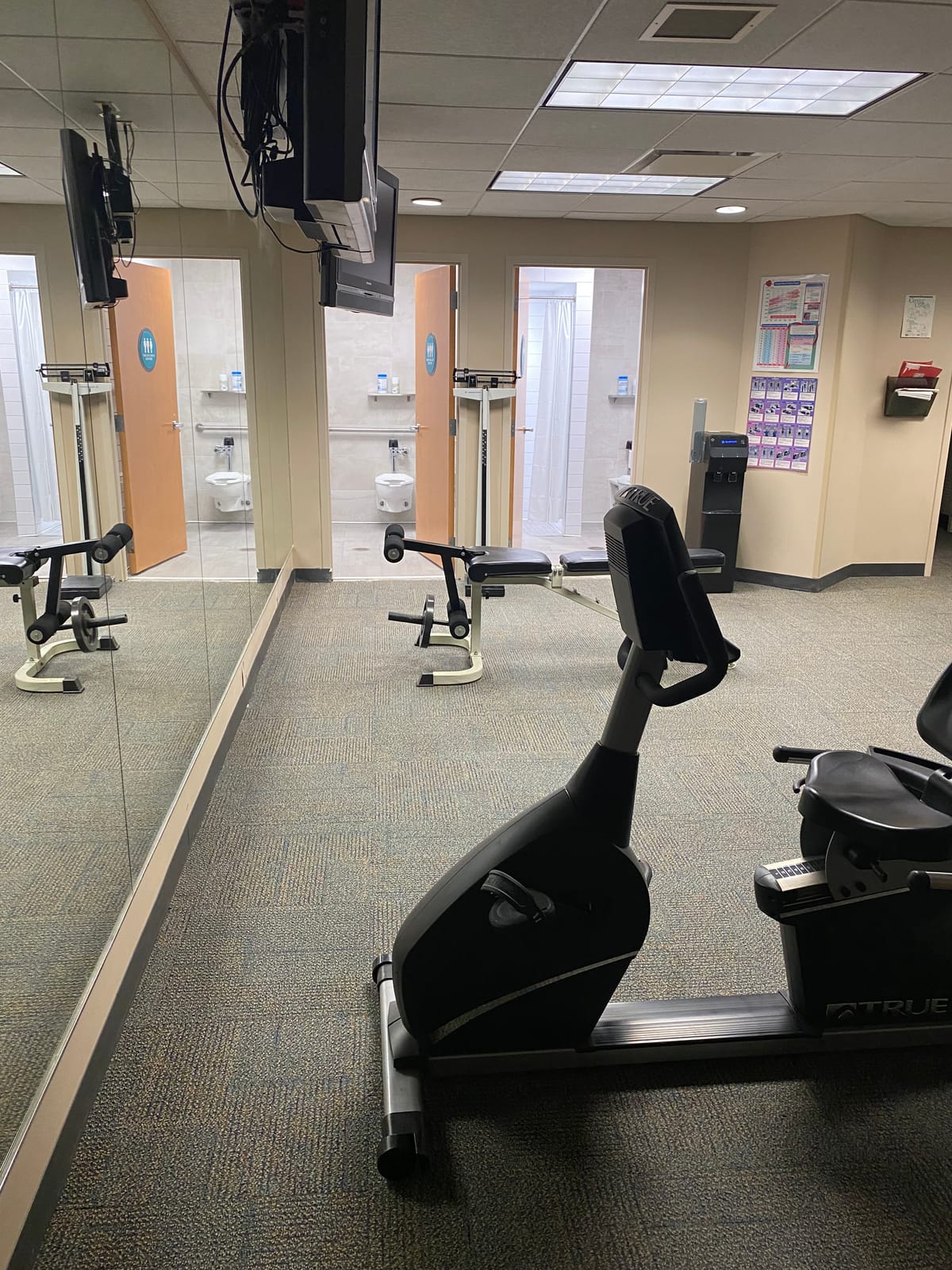
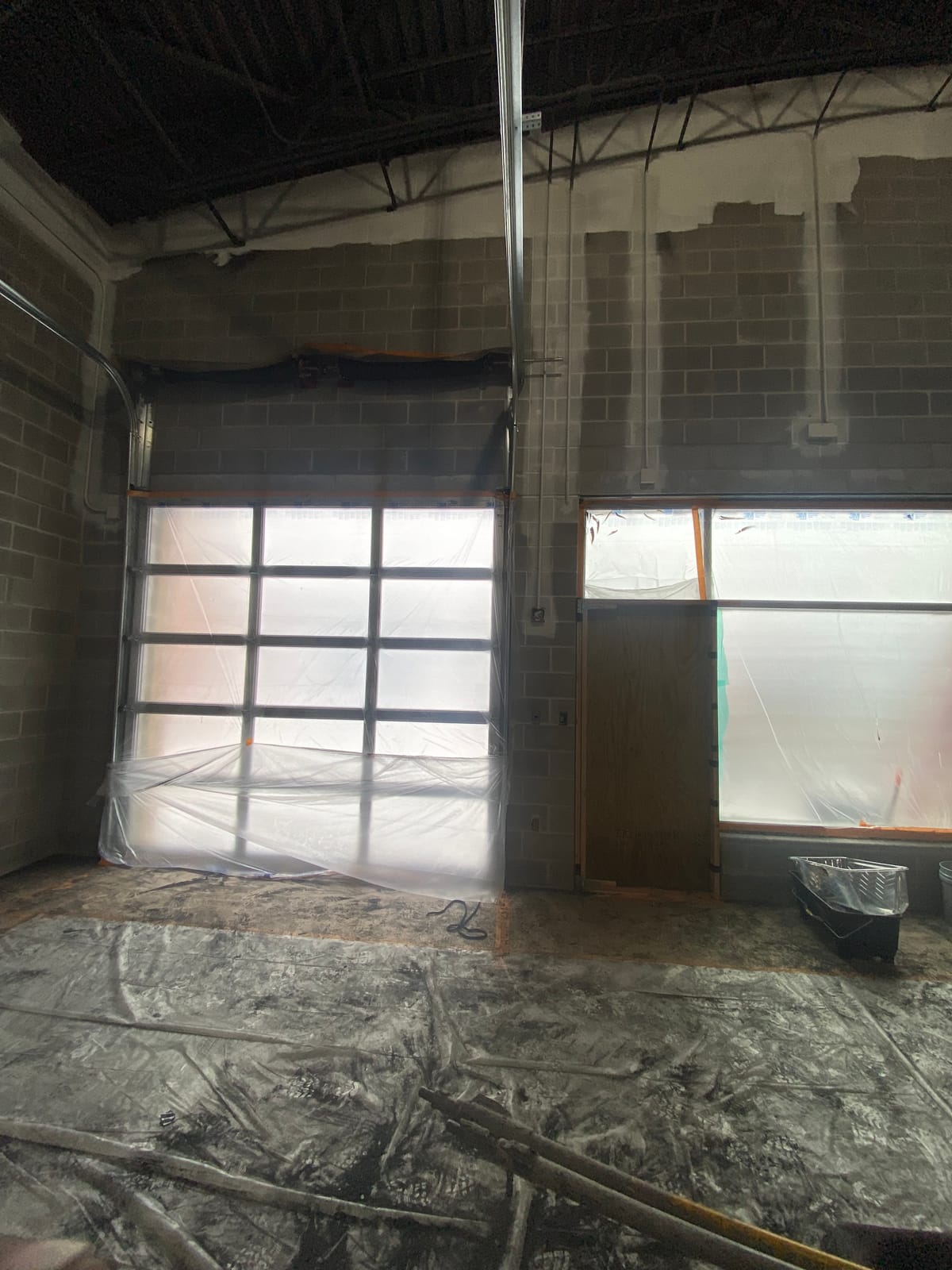
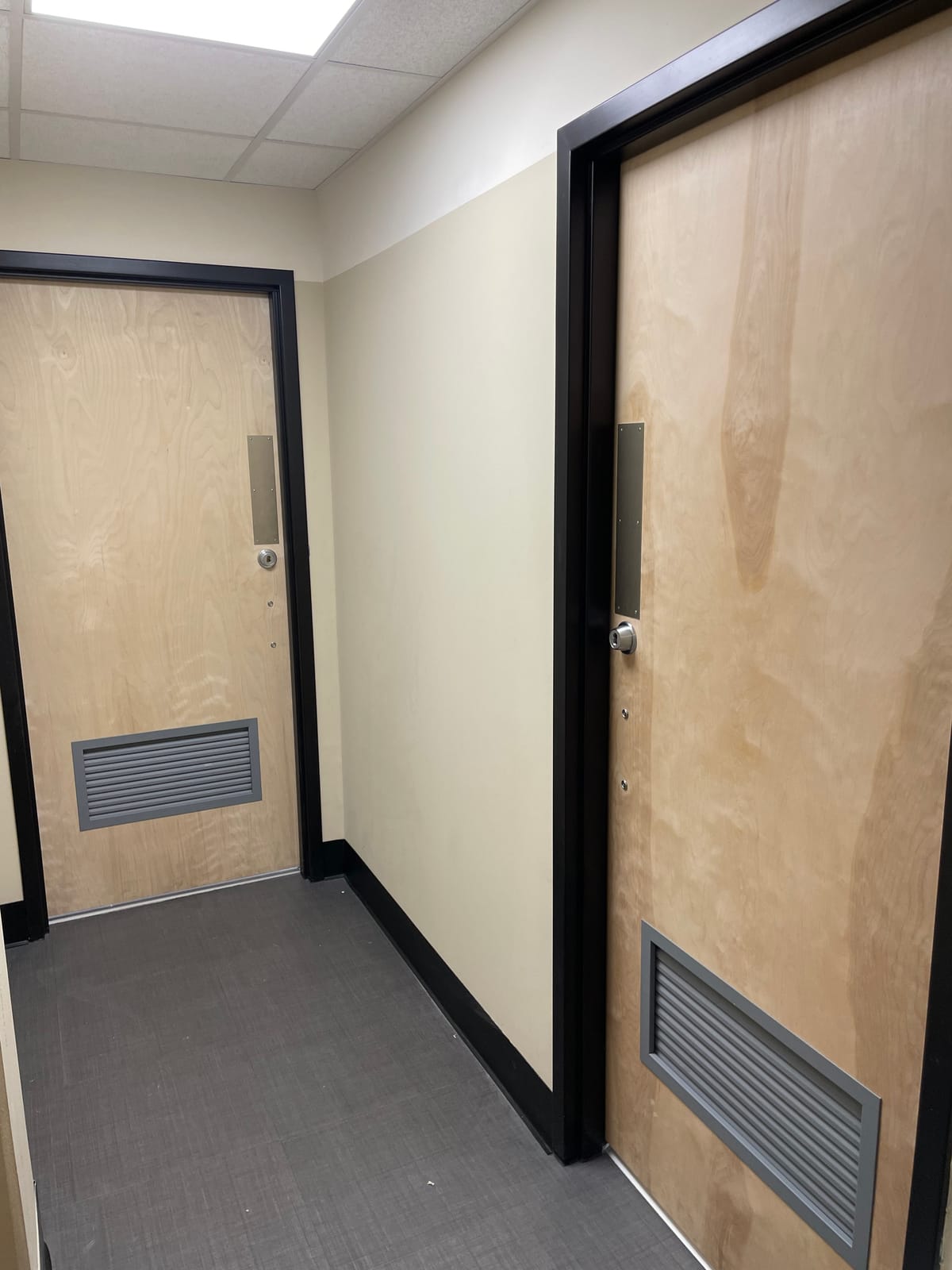
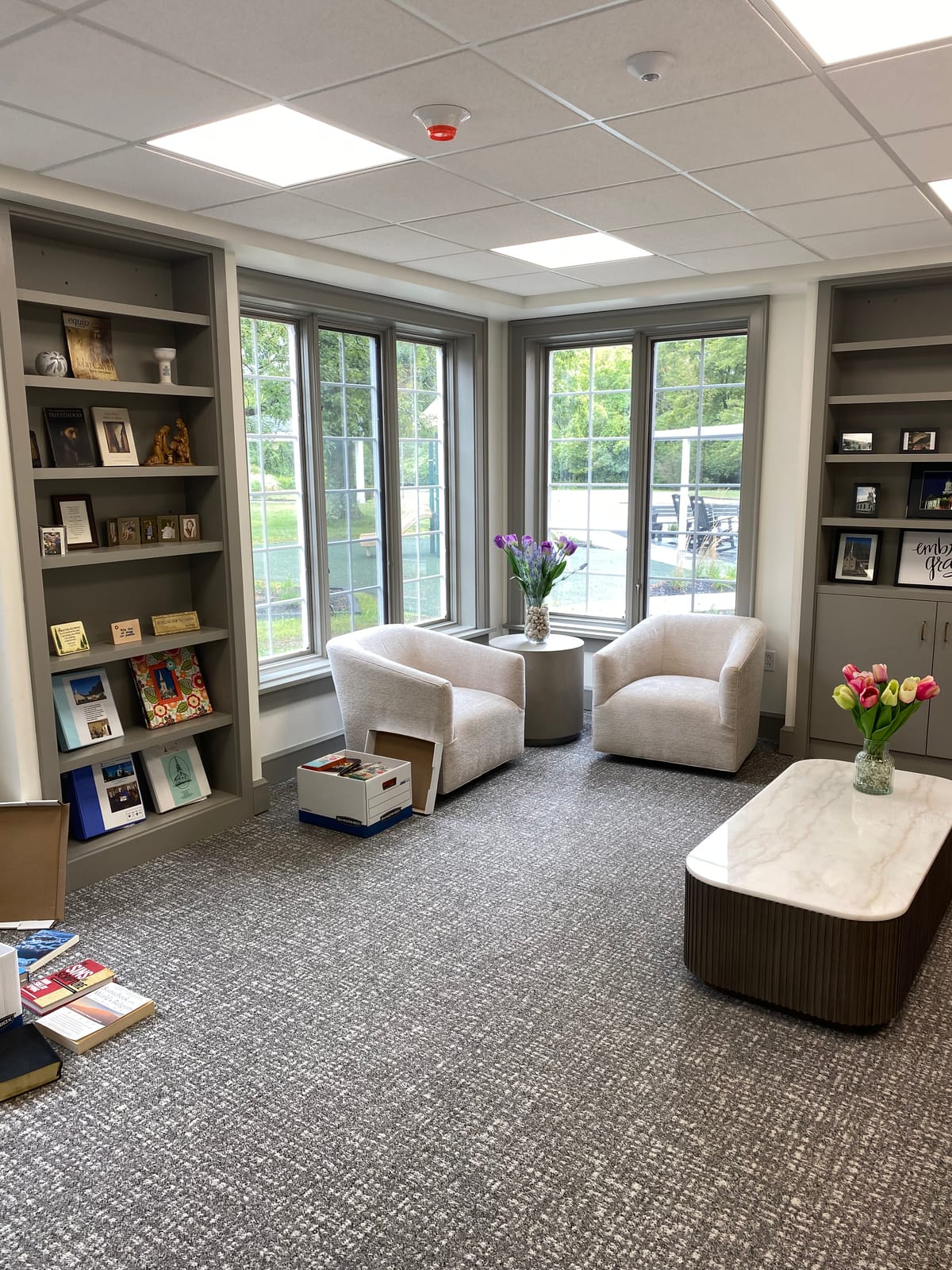
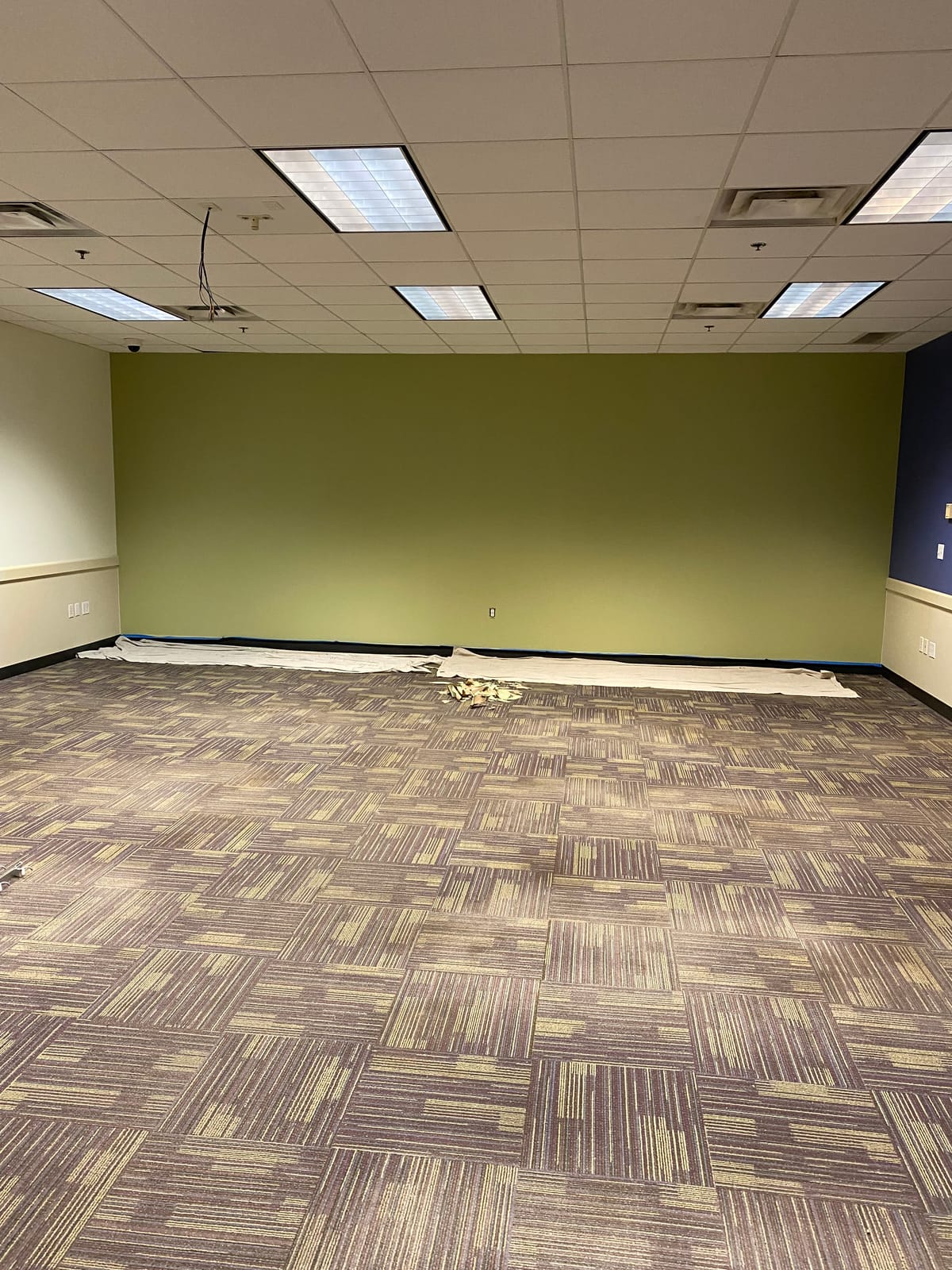
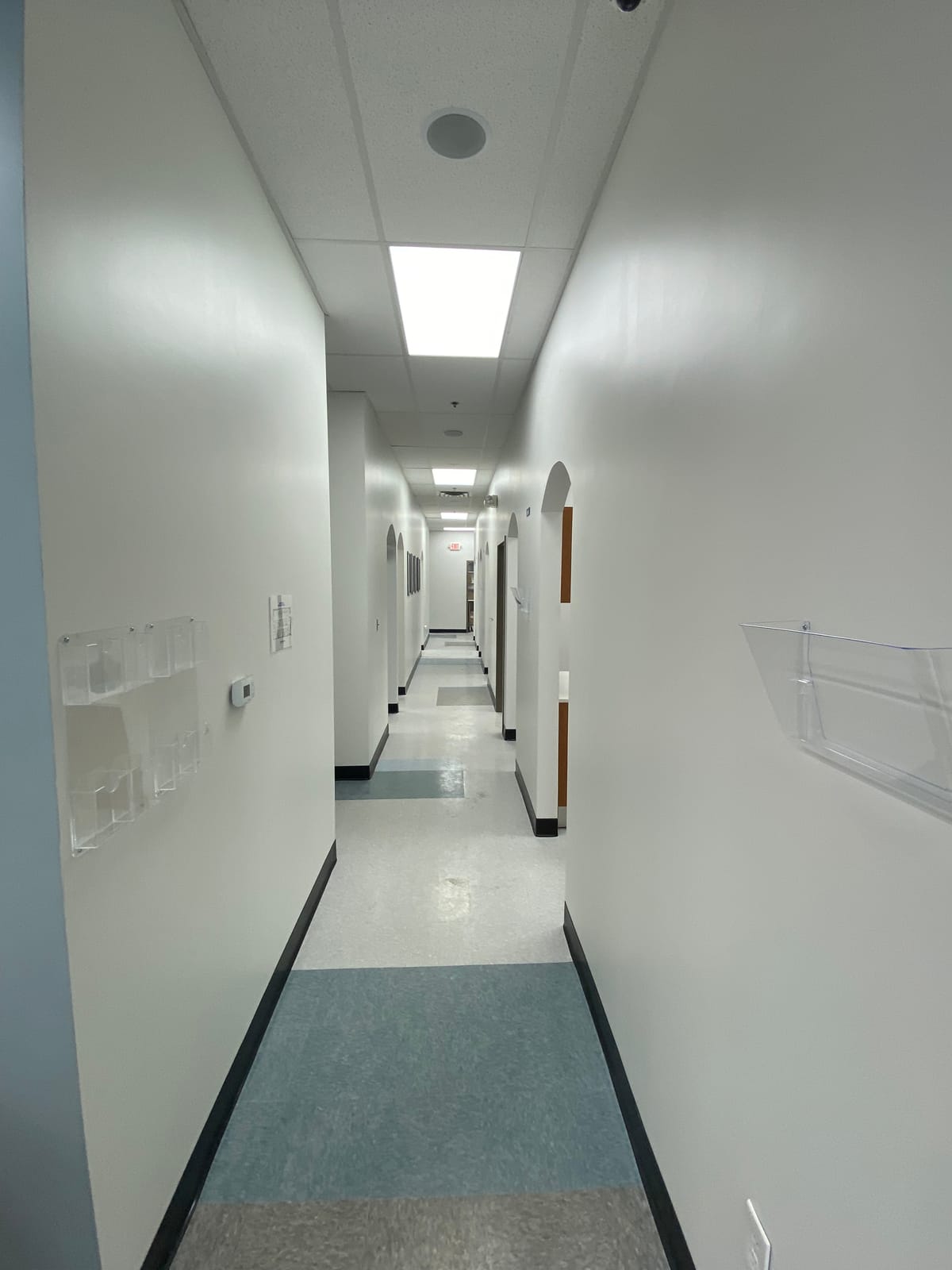
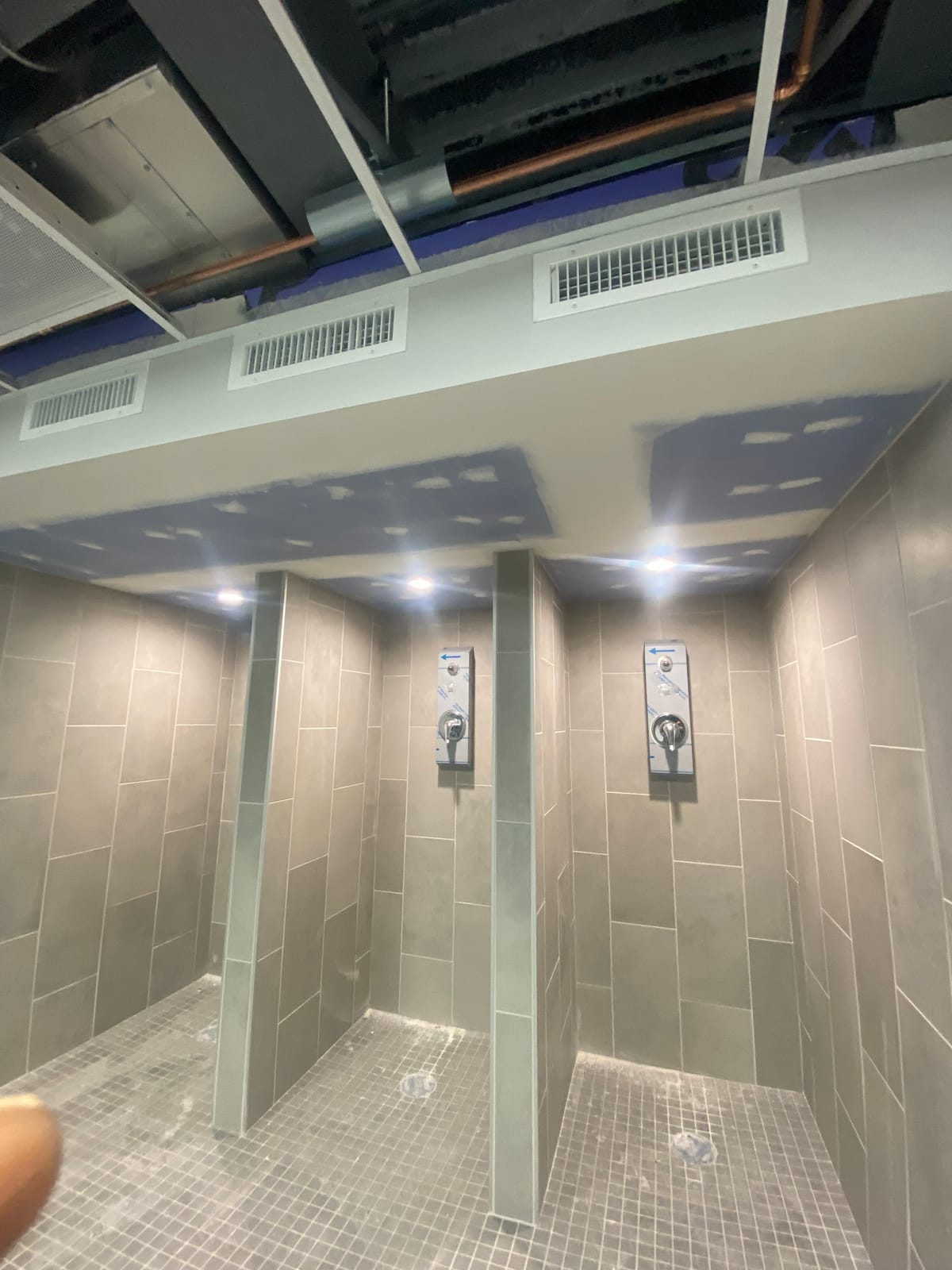
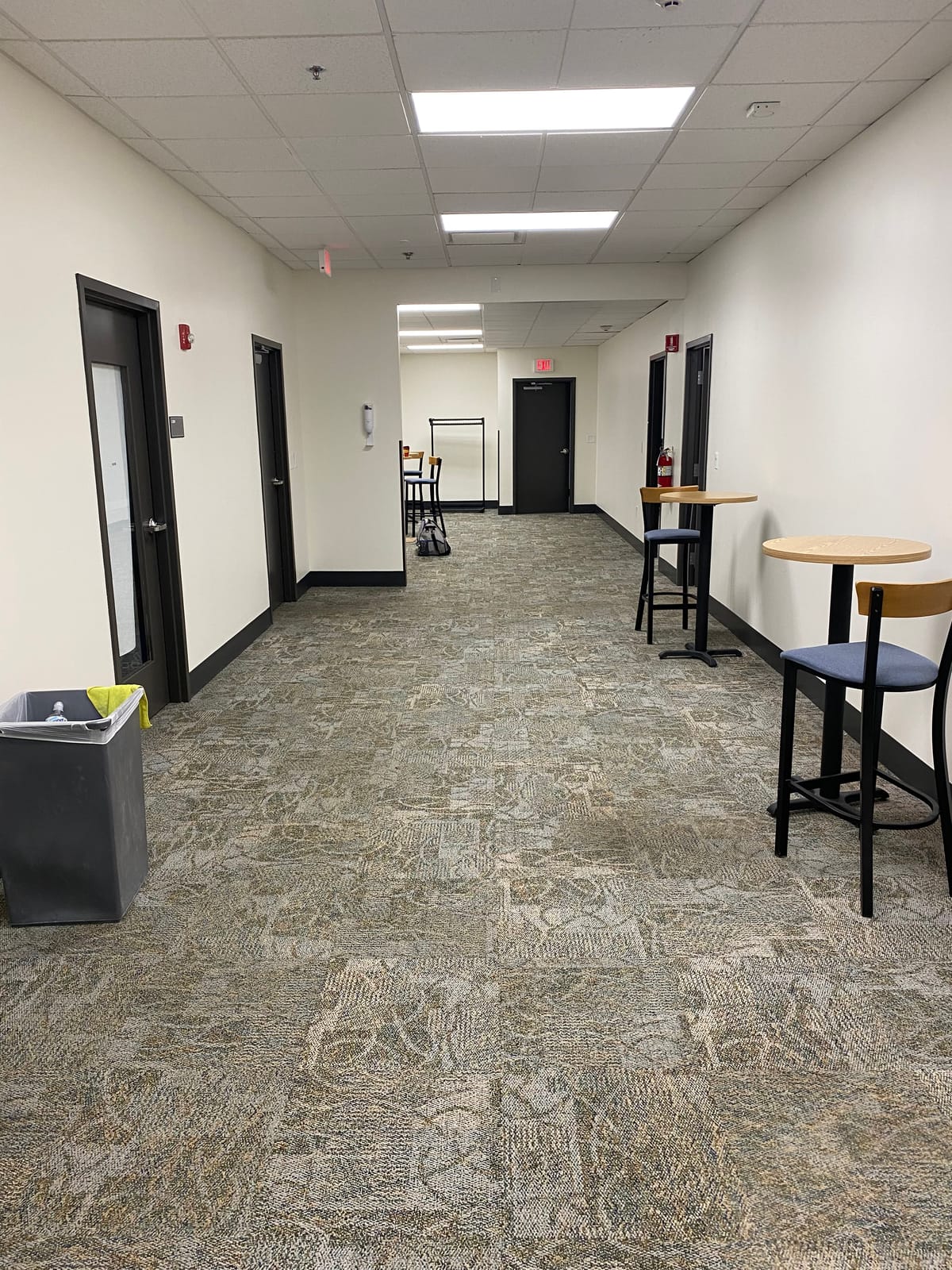
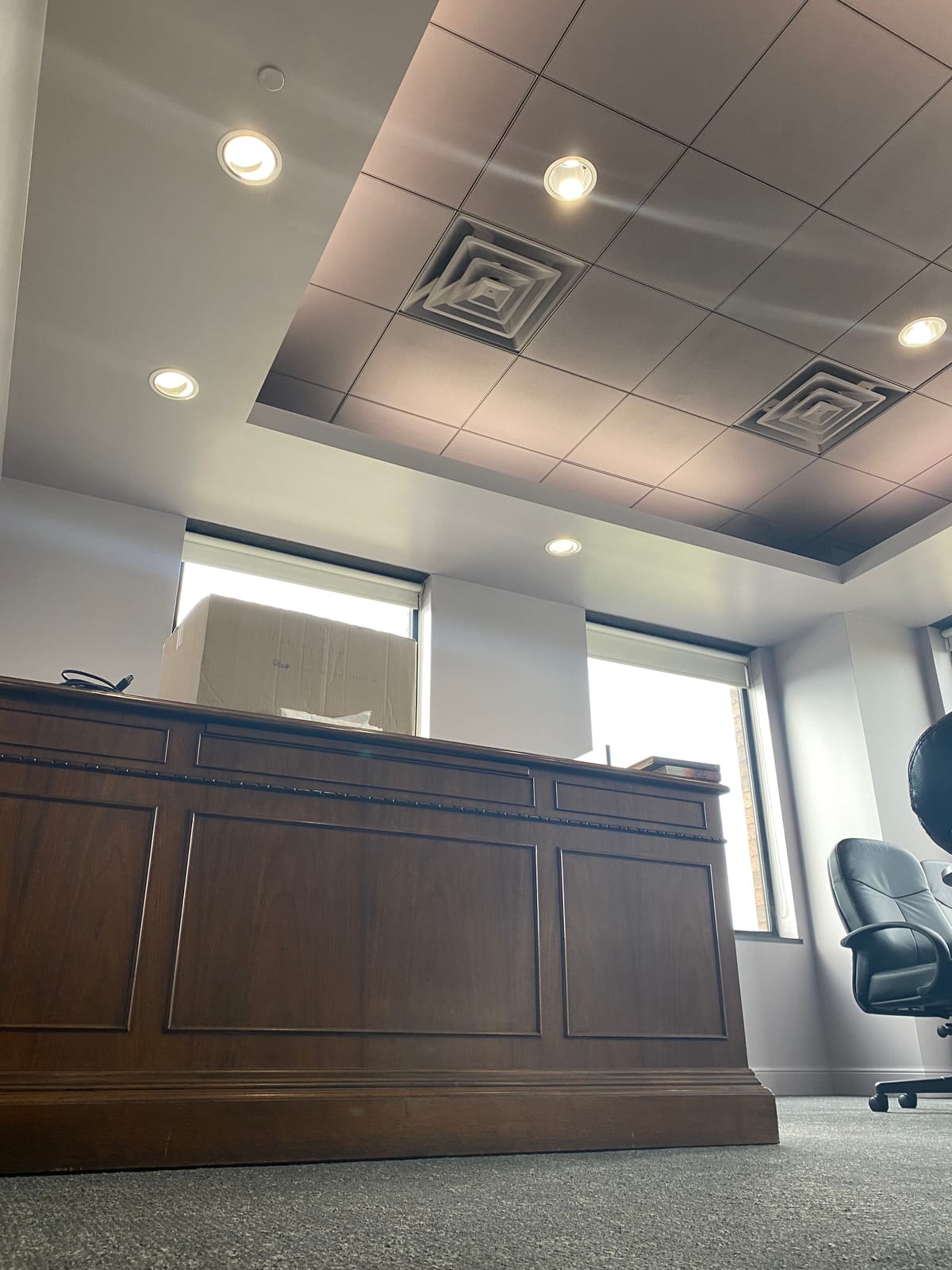
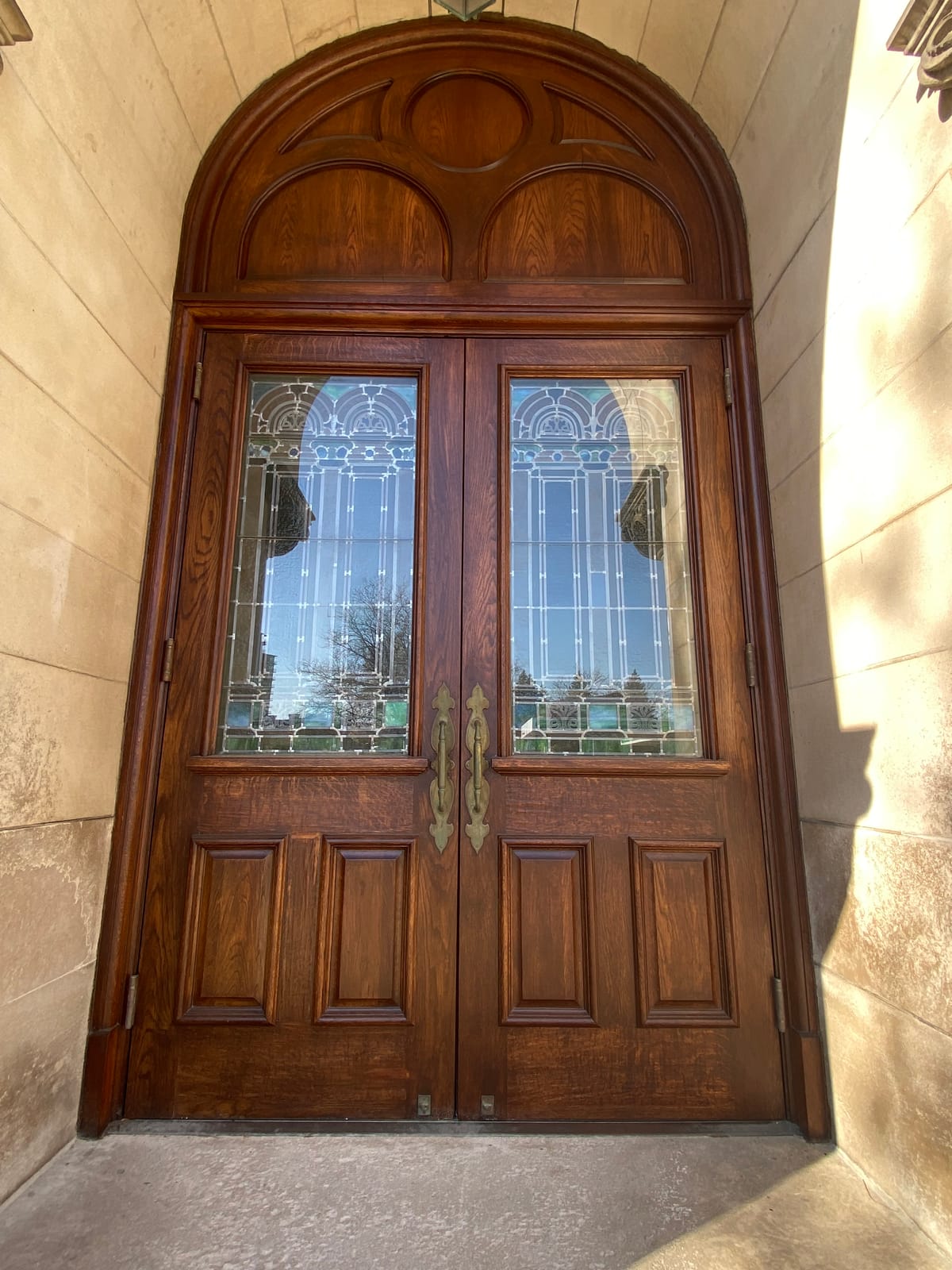
Stark County’s own institutional stock runs the full range this page describes: century-old church sanctuaries and school buildings still carrying original woodwork and plaster, newer community college facilities on a term calendar, and public buildings like an Ohio Army National Guard armory that answer to their own procurement rules entirely apart from a school district’s or a private hospital’s. Straight Line’s own project list already spans that range: a stairwell and commons hallway at Theodore Roosevelt High School, a movement and fitness space at a Tri-C campus building, an office and lounge finish-out at Church of The Western Reserve, and a drill hall and locker room renovation at a National Guard armory in Wooster. None of that work waits for a hypothetical; it is already done, named, and photographed.
Where a crew will have routine contact with children, Ohio law gives a school district exactly two lawful ways to clear it, and both are real operational choices a district actually makes, not a formality:
Both routes are lawful under ORC 3319.392, and the trigger for either one is routine interaction with a child, not simply being present on school property. Which route a given job uses is the district’s call, and it is confirmed before a crew is scheduled, not assumed.
Why Institutions in Stark County Choose Straight Line
Ohio does not license painting contractors, and a school district, hospital, or church runs its own procurement checklist instead of a license number to check. Straight Line carries the credentials that actually move on that checklist:
Every painting business can claim institutional experience. Few can name the buildings: a public high school, a community college campus, a congregation’s own building, an adult day-care center, a dental clinic, and an Ohio Army National Guard armory.
Straight Line Painting is a Commercial painting contractor in Canton, insured, OSHA certified, MBE and EDGE certified, working across Northeast Ohio since 2012.
Real Projects, Real Buildings
- Affordable Dentures & Implants
- Buffalo Wild Wings
- Blossom Hill Adult Daycare
- Church of The Western Reserve
- University Hospitals Ahuja Medical Center
- AutoZone
- Dollar General
- Dunkin'
Institutional Painting Questions Canton Buyers Ask
Does Ohio prevailing wage apply to a school repaint in Canton?
No. ORC 4115.04(B)(3) exempts public improvements undertaken by or under contract for a board of education from Ohio prevailing wage entirely, at any project value, and the statute is explicit that a district cannot apply it voluntarily. A public college, city, or county building is a different case: prevailing wage applies there once a painting or renovation scope clears $75,000.
What is the actual bidding threshold for a Stark County school painting job?
It rose from $50,000 to $75,000 in October 2024 under ORC 3313.46 and ORC 9.17, and escalates three percent every January, roughly $79,568 for calendar 2026. A change effective September 30, 2025 also widened what counts: bus garages, stadiums, and maintenance buildings are now on the same bid list as classrooms.
Do you background check crews working around students?
Ohio law triggers a background-check requirement on routine interaction with a child, not on simply being present at a school, and gives a district two lawful paths once that trigger applies: a BCI-checked crew, or a staff escort within thirty yards for the duration of the work. We confirm with each district which route its own policy requires before a crew is scheduled.
Does your Lead Renovation certification cover an entire older school or church?
No, and we would rather say so than oversell the certification. EPA’s rule reaches a pre-1978 building through its child-occupied-facility definition: a preschool, kindergarten classroom, or daycare room used regularly by children under six. A hallway those same children only pass through is explicitly excluded, so a pre-1978 high school is generally not covered while a church nursery or preschool classroom is.
How do you handle painting near patients in a hospital?
It depends on how long the work takes and what is on the other side of the wall, not on how much dust it makes; duration and odor set the infection-control class alongside debris. We schedule around whichever class a given area triggers rather than assuming one hospital-wide answer, and confirm each facility’s own credentialing and badging process before quoting a timeline.
Is your paint really odor-free for an occupied building?
No honest painter can claim that; the FTC has already ruled that “no odor” and “odor free” read as a promise about everything in the room, not just what Ohio’s VOC rule regulates. What we can do is choose a coating compliant with Ohio’s 2024 limits, provide an emissions certificate on request, and schedule the work so occupants are out of the room during application, with the space ventilated before hand-back.
Can a church volunteer crew paint the sanctuary instead of hiring a contractor?
For interior rolling at ground level, that is often a fine use of volunteer labor. The point worth raising with a trustee board is insurance: in most states, volunteers are not covered under workers’ compensation, so a ladder, a lift, a two-story sanctuary, a steeple, or old paint puts an uninsured member of the congregation at height on the church’s own liability. That is where a licensed, insured crew earns its cost.
What certifications should I actually ask an institutional painting contractor for?
Ask for MBE or EDGE certification if diversity-spend goals apply to your project, OSHA training records, Drug-Free Workplace certification, EPA Lead Renovation certification if any pre-1978 child-occupied space is involved, proof of bonding capacity for public work, and a certificate of insurance with an Ohio BWC workers’ compensation certificate. We carry all of them and can produce the documents before a bid is compared.
Ready to Get a Bid?
Tell us about the job and we will schedule around your hours.
Straight Line Painting LLC
1145 High Ave SW, Canton, OH 44707
Monday-Friday, 8:00 AM - 4:00 PM