
Industrial Painting in Canton, OH
Straight Line Painting handles warehouse painting, dryfall ceiling coatings, metal building and siding repainting with rust remediation, and CMU and block wall painting for plants, warehouses and distribution centers across Canton and Stark County. We are based in Canton, not answering from an 800 number in Illinois, Michigan or Florida, and we schedule the work around your production window instead of asking you to shut the line down. Dryfall-capable, OSHA certified, and built to work in phased zones, off-shift, so the building keeps running.
Straight Line Painting handles warehouse painting, dryfall ceiling coatings, metal building and siding repainting with rust remediation, and CMU and block wall painting for plants, warehouses and distribution centers across Canton and Stark County. We are based in Canton, not answering from an 800 number in Illinois, Michigan or Florida, and we schedule the work around your production window instead of asking you to shut the line down. Dryfall-capable, OSHA certified, and built to work in phased zones, off-shift, so the building keeps running.
- Owner: 25+ Years in the Trade
- Est. 2012
- Fully Insured & Workers Comp
- OSHA Trained
- MBE Certified
- EDGE Certified
What Industrial Painting Covers
A plant, warehouse or distribution center is not one surface, it is several, and each one fails and gets specified differently.
A real industrial spec names the standard, not just “commercial-grade paint.” Here is what belongs in a bid worth comparing, and what to ask any contractor for if it is missing:
Warehouse Painting
A warehouse or distribution center does not stop for a paint crew, so the job runs in zones and off-shift hours rather than as one continuous shutdown. Racking, conveyor lines, sensors, motor control centers and sprinkler heads get masked and protected as named items on the walkthrough, not an afterthought, and structural steel gets graded for rust to ASTM D610 rather than eyeballed from the floor. On a live building, that discipline is the difference between a coating job and a claim against someone’s inventory. That is the standard behind warehouse painting in Canton
Read more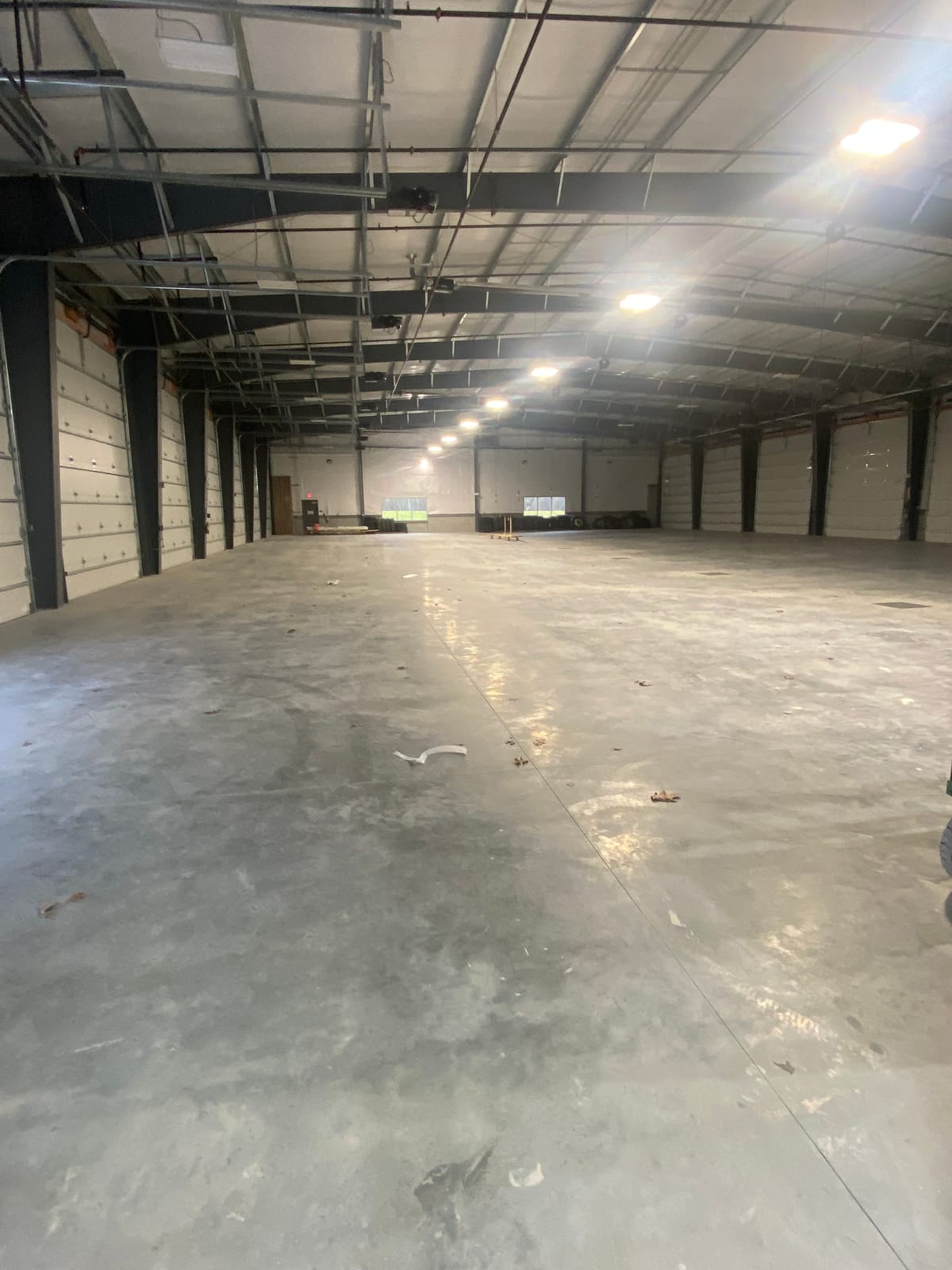
Dryfall Ceiling Painting for Warehouses and Factories
Ohio tightened its dry-fog VOC limit from 400 grams per liter to 150 on January 1, 2024, a rule that binds the applicator, not just the can label, so a solvent-borne dryfall still reading under 400 g/L on its own data sheet is no longer compliant here even though it still passes the older federal number. The fast field check is the “OTC Phase II” line printed on a manufacturer’s data sheet: yes on the waterborne acrylic dryfall we spray, no on the classic alkyd dryfall next to it on the same shelf. Published drop distance for the overspray to dry mid-air is ten to twenty feet at 55°F, not the ten feet everyone quotes at a 77°F lab temperature, and it is spray-only: no brush, no roller, no thinning, on structural steel, CMU or drywall. That gap between a lab number and a February morning in an unheated Stark County warehouse is exactly what decides dryfall ceiling painting in Canton
Read more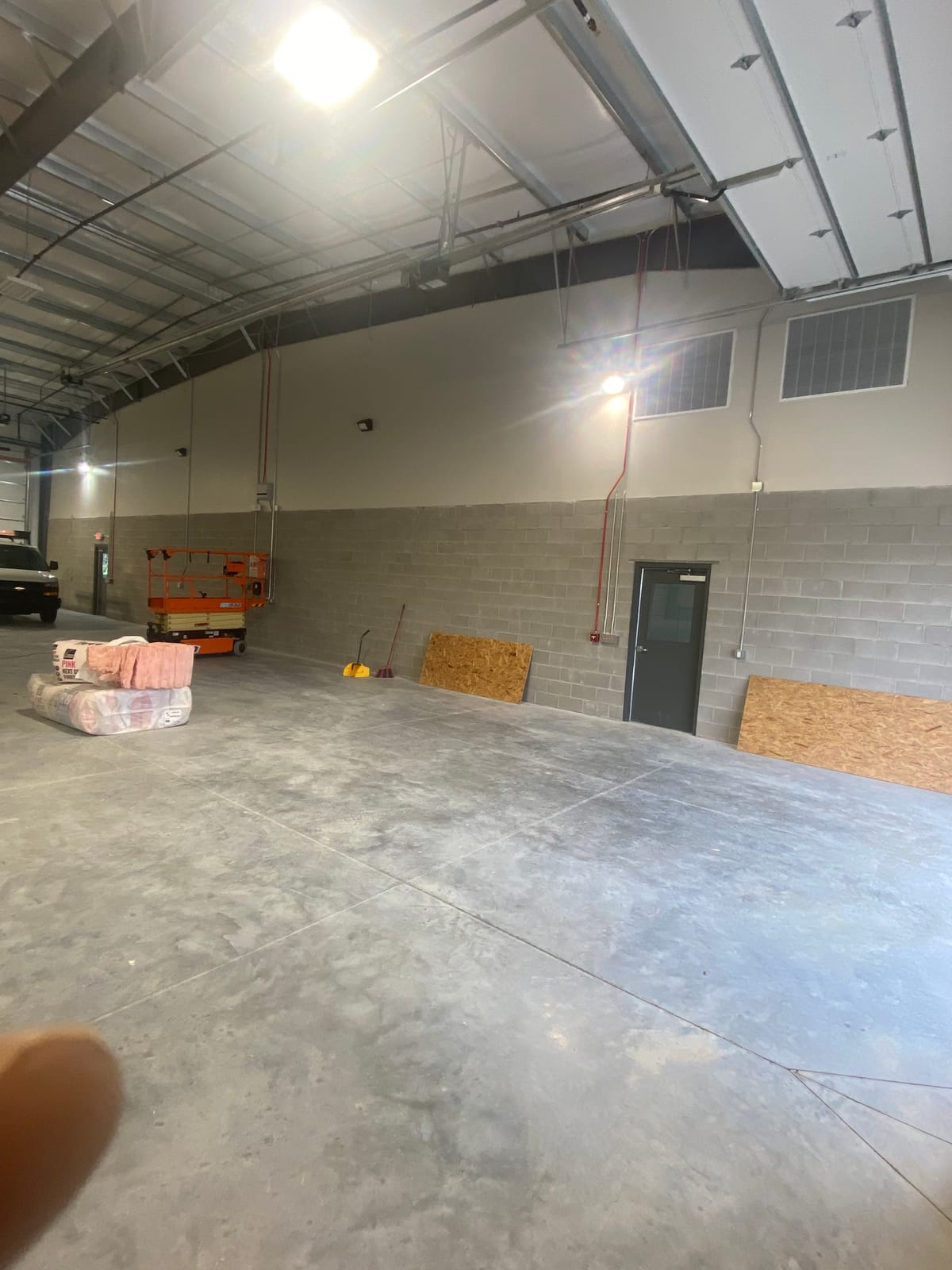
Metal Building and Siding Repainting with Rust Remediation
A shop-applied primer on structural steel was never a finish coat. The Steel Joist Institute’s own code of standard practice calls it an impermanent, provisional coating and says plainly that rusting should be expected at every abrasion, drip or handling mark. Treating that primer as the coating system is why a twenty-year-old metal building rusts at the same bolts and seams every year. We grade existing rust to ASTM D610, spot-prep and prime bare steel the same day it is cleaned, before flash rust sets in, and test-patch any sound-looking coating for adhesion before committing the building to one system. That inspection, not a guess from the parking lot, is metal building and siding repainting in Canton
Read more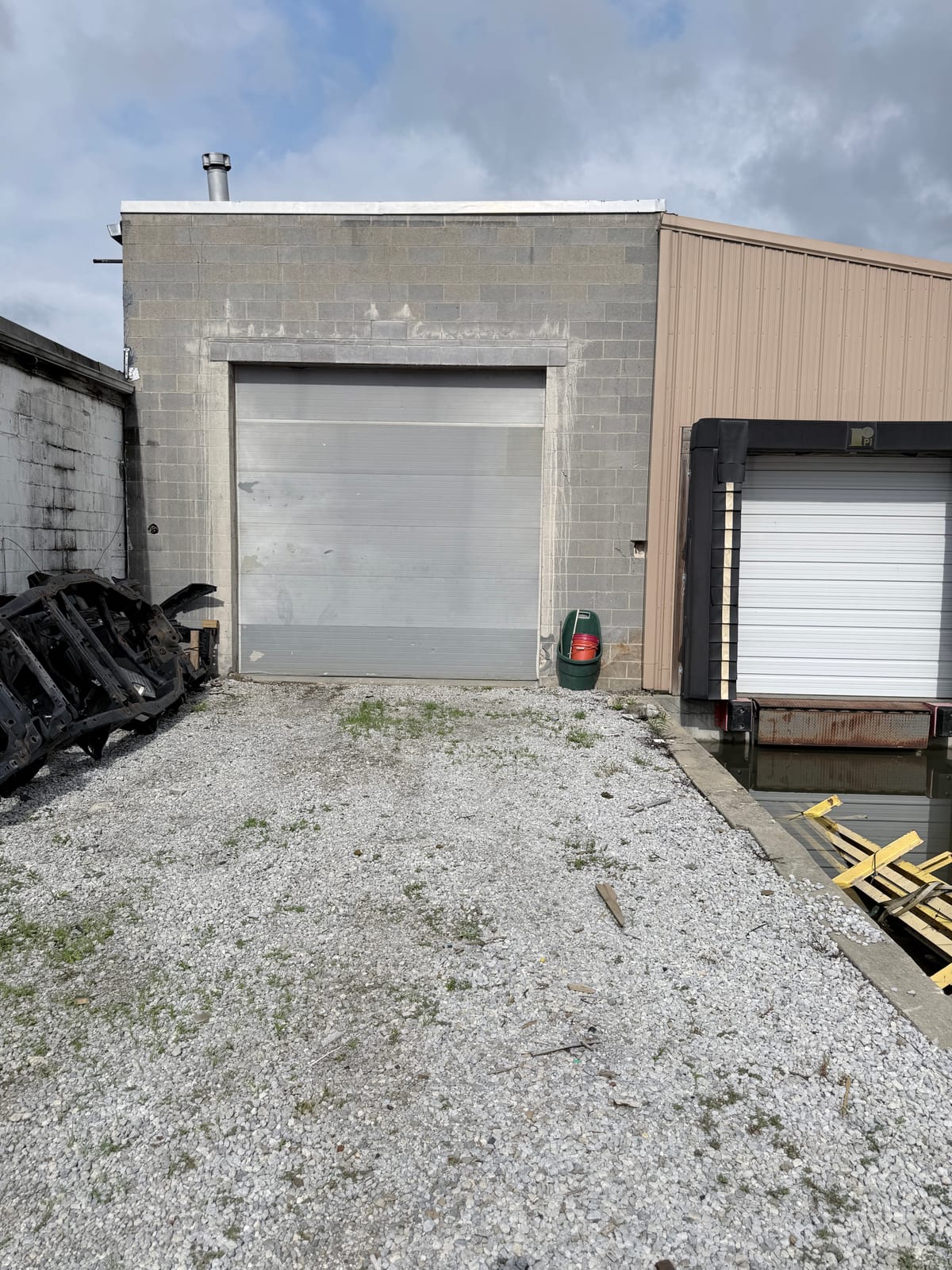
CMU and Block Wall Painting
Concrete block is made to a published density spec, and a lightweight block is allowed roughly forty percent more water absorption per cubic foot than a normal-weight one, which is exactly why two buildings of identical square footage can be two very different block-filler jobs. Filler is its own coat at ten to eighteen mils dry, not a thin primer pass, and it needs a full extra day between coats in cold weather before a topcoat goes on. Efflorescence gets treated as a moisture question first: a uniform white bloom on new block is normal drying, streaks under the mortar joints are a leak, and painting over either one before the source is found just buys the failure twice. That kind of prep is what stands behind CMU and block wall painting in Canton
Read more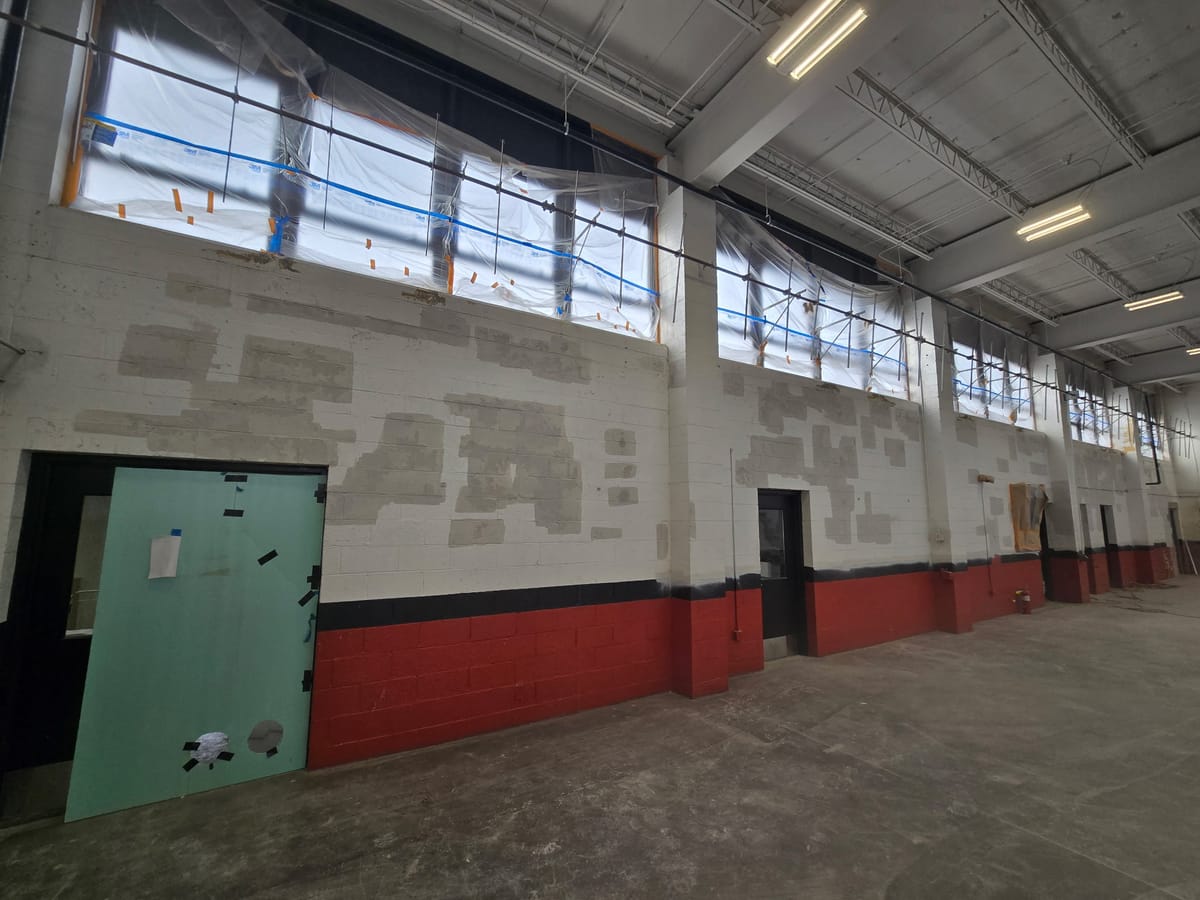
Painting a Plant That Cannot Shut Down
- 01
Walkthrough
We look at the space or the plans in person or by photo, so the scope is based on the real building, not a guess.
- 02
Scope and bid
You get a written scope and a firm bid before any work starts, priced on the actual square footage and conditions.
- 03
Schedule
We set a start date and a sequence that works around your hours, your tenants, or your school calendar.
- 04
Prep
Surfaces are cleaned, repaired, and masked off before a drop of paint or coating goes down.
- 05
Application
Crews apply the coating or material to spec, with the site kept clean and safe throughout.
- 06
Punch list
We walk the finished space with you and close out anything on the list before we call it done.
- 07
Closeout
You get the final walkthrough, any warranty paperwork, and a clean handoff.
Surface Prep and Coating Systems We Use
| Factor | Why It Moves the Number |
|---|---|
| Surface prep standard, SSPC-SP 2 to SP 10 | Hand-tool cleaning, power-tool cleaning and commercial or near-white blast are four different labor scopes, and a zinc-rich primer will not bond without the blast grade its own data sheet requires. |
| Rust condition, ASTM D610 grade | A 6-S spot-rust wall and a 4-G general-rust wall are the same square footage and very different jobs; the grade decides whether it is a spot repair or a full recoat. |
| Primer chemistry | A waterborne acrylic rust-inhibitive primer, a rust-inhibitive alkyd, and a zinc-rich coating each carry different prep minimums and cure times, and the wrong one on the wrong prep is an expensive coating with no protection behind it. |
| Dryfall vs. brush-and-roll | Dryfall is spray-only and needs the clear height for overspray to dry before it lands; below that height, or below 50°F, it becomes a masking job with the dryfall material, which changes the labor completely. |
| Block filler as its own coat | Filler runs ten to eighteen mils dry at roughly 50 to 88 square feet a gallon, several times the material of a wall paint, and it needs its own cure window before a topcoat goes on. |
| Access and height | Lift work on a high-bay deck, bar joists and structural steel prices differently than a ground-floor wall, and stripe-coating every weld and angle by hand is real labor a flat-wall bid does not carry. |
| Occupied vs. down time | Off-shift, weekend and phased-zone work costs more per hour than a straight run through an empty building, and it is priced as its own line, not folded into the paint. |
| Ohio’s 2024 VOC limits | A coating that was compliant in 2022 may not be compliant today, and the applicator, not just the manufacturer, is responsible for the product and the reducer used on the job. |
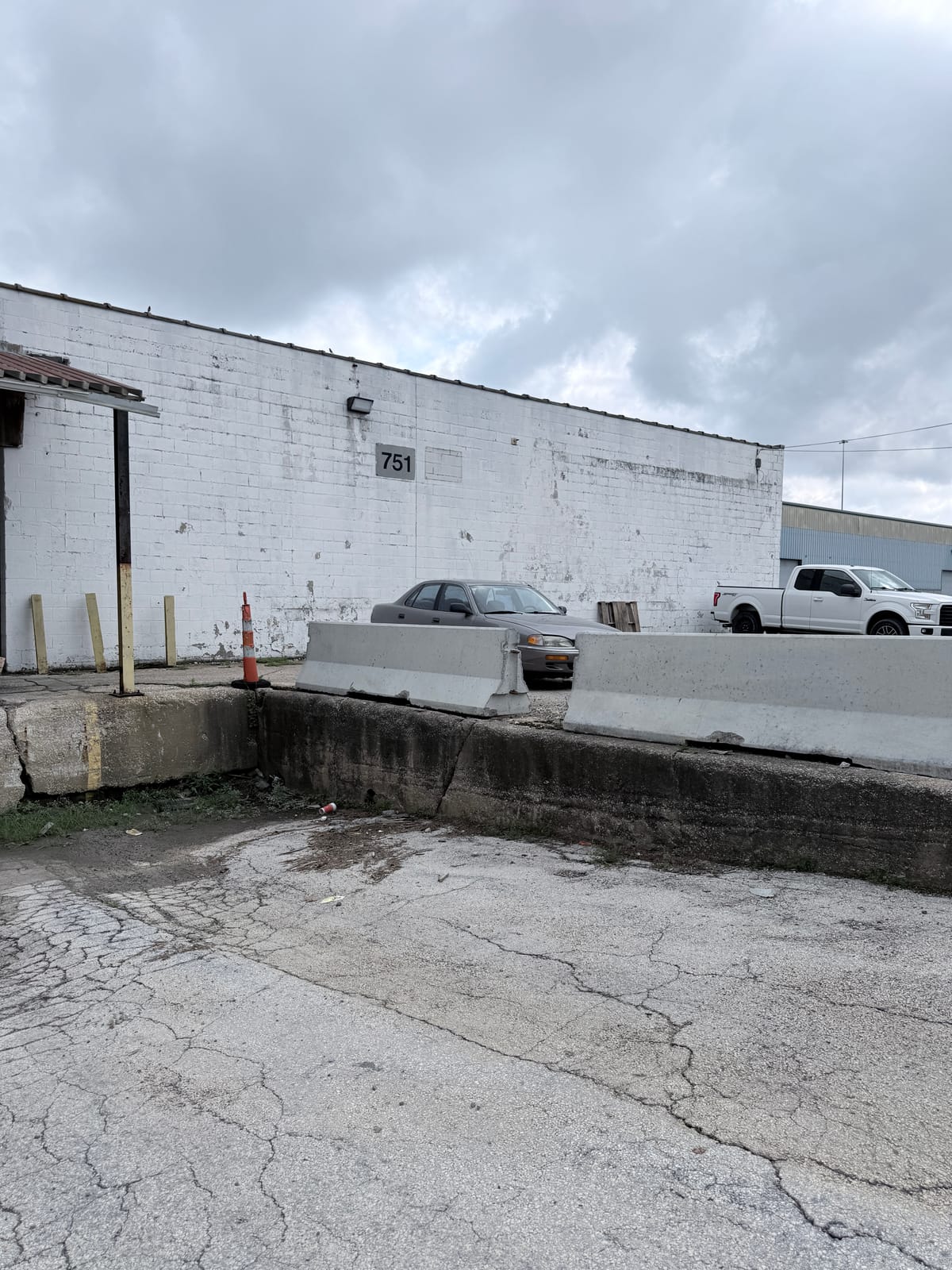
Industrial Work in the I-77 and US-30 Corridors
Ohio EPA treats a coating operation as exempt from an air permit only below ten pounds a day of organic-compound emissions, with daily usage records required to prove it; above that line, a facility needs a Permit-to-Install-and-Operate before the work starts, not after. A permit-by-rule exists for a paint spray booth, but it is written around auto-body numbers, two booths, fifty jobs a week, three thousand gallons of coatings and solvents a year, not an in-plant maintenance coating scope. The honest question for a Canton plant manager is not whether the painter carries a permit; it is whether the scope changes what the facility itself already reports to Ohio EPA, which is a question for the plant’s own environmental manager, not one a contractor can answer for you.
Stark County also runs under a different coating rulebook than its neighbor to the north. Ohio’s surface-coating rule for miscellaneous metal and plastic parts, effective April 1, 2025, covers facilities in Summit, Portage and ten other named counties, and Stark is not one of them. A manufacturer running plants in both Akron and Canton is under two different regimes for that specific rule, even though Ohio’s statewide architectural and industrial maintenance coating limits, the ones that dropped dry fog to 150 g/L and industrial maintenance coatings to 250 g/L on January 1, 2024, bind every applicator in every county regardless.
Canton City Public Health runs five air monitoring stations across Stark County, and two of them, named Republic Steel Fenceline and Republic Community, sit at and beside a Canton steel mill that made leaded steel bars in buildings its own owner described as up to 125 years old before idling steelmaking there in August 2023. It is a real, checkable reason that lead-safe surface prep on old Canton steel is not a box to check and forget.
Canton’s two biggest industrial neighbors publish their own shutdown windows, and they sit in opposite seasons. Marathon’s Canton refinery began a roughly 60-day full-plant turnaround in mid-July 2025, running into early September, squarely inside Northeast Ohio’s exterior painting season (the last spring freeze at Akron-Canton Airport averages April 24, the first fall freeze October 26). Metallus, running three plants in Canton’s 44706 ZIP code, guides its annual melt-shop shutdown maintenance to the fourth quarter, right as that same exterior season closes. A plant that shuts down in Q4 wants an industrial coatings contractor whose exterior book has just emptied, and that overlap is a published fact, not a sales line.
Stark County’s own labor data puts the steel story in perspective: 549 private manufacturing establishments employed just under 24,000 people in 2025, and food manufacturing, at 5,440 jobs, actually employs more people here than primary metals, at 3,544. The heritage is steel; the payroll is increasingly food and packaging plants, distribution centers and fabricated metal shops, and a page that only talks about mills is talking about the smaller half of this market. Some of the stock is genuinely old: Canton Drop Forge still operates a 241,000-square-foot forge shop out of a building the U.S. Department of Defense built in 1942, with structural steel, crane rails and block walls that have taken eighty years of heat and scale. Newer stock exists too, including roughly 1.9 million square feet of distribution space that came online in Stark County in 2023 alone, between Tractor Supply’s Navarre center and Amazon’s Canton fulfillment center, and industrial land at Louisville Industrial Park, the Canton Ohio GO Site in Navarre, and Massillon Energy and Technology Park still has room to build more of it.
The fastest way to check whether a dryfall product is actually legal to spray in Ohio today is the “OTC Phase II” compliance line printed on the manufacturer’s own current data sheet:
Both are real, current manufacturer data sheets, not a Straight Line rate card; the point is that the “OTC Phase II: Yes or No” line most people never read is a one-second legality check, and the applicator, not just the can, is responsible for getting it right.
Why Plant and Facility Managers Choose Straight Line
Ohio has no state license for painting contractors, and most of the gates a large plant screens for, a contractor-management-system score, an EMR number, a written respiratory protection program, are paperwork any facility should ask a contractor to produce before an award, not assume. What we can point to directly:
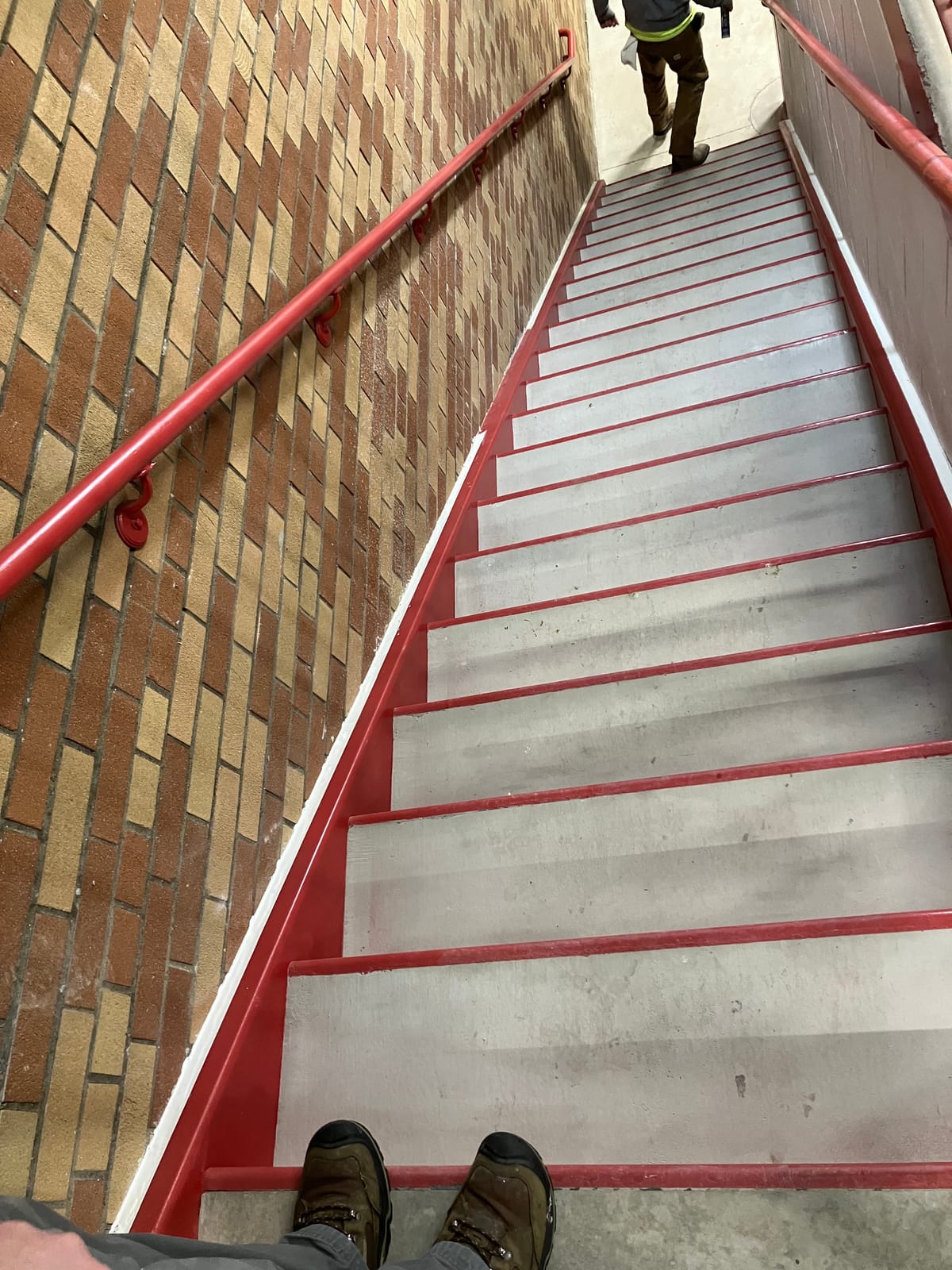
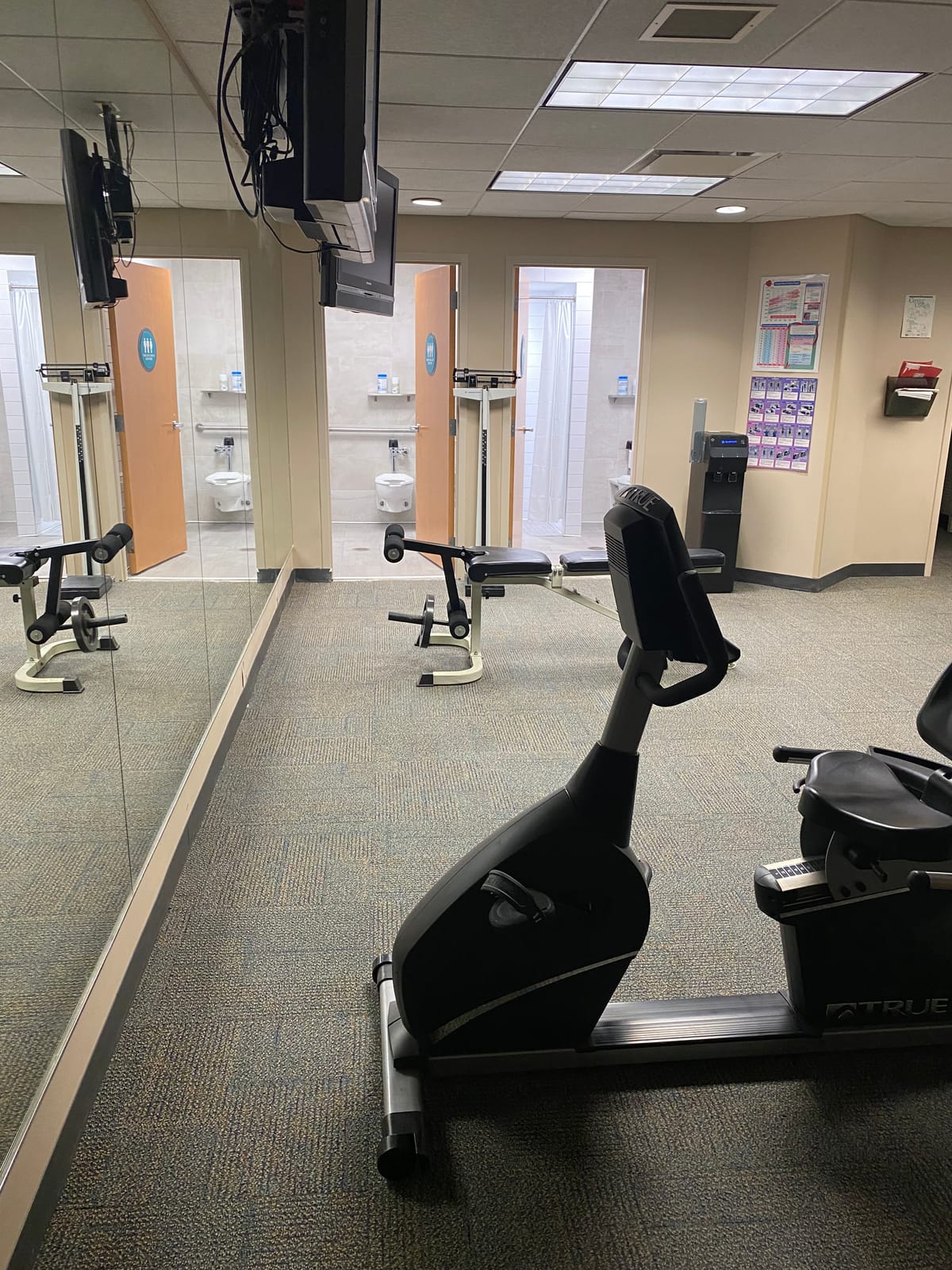
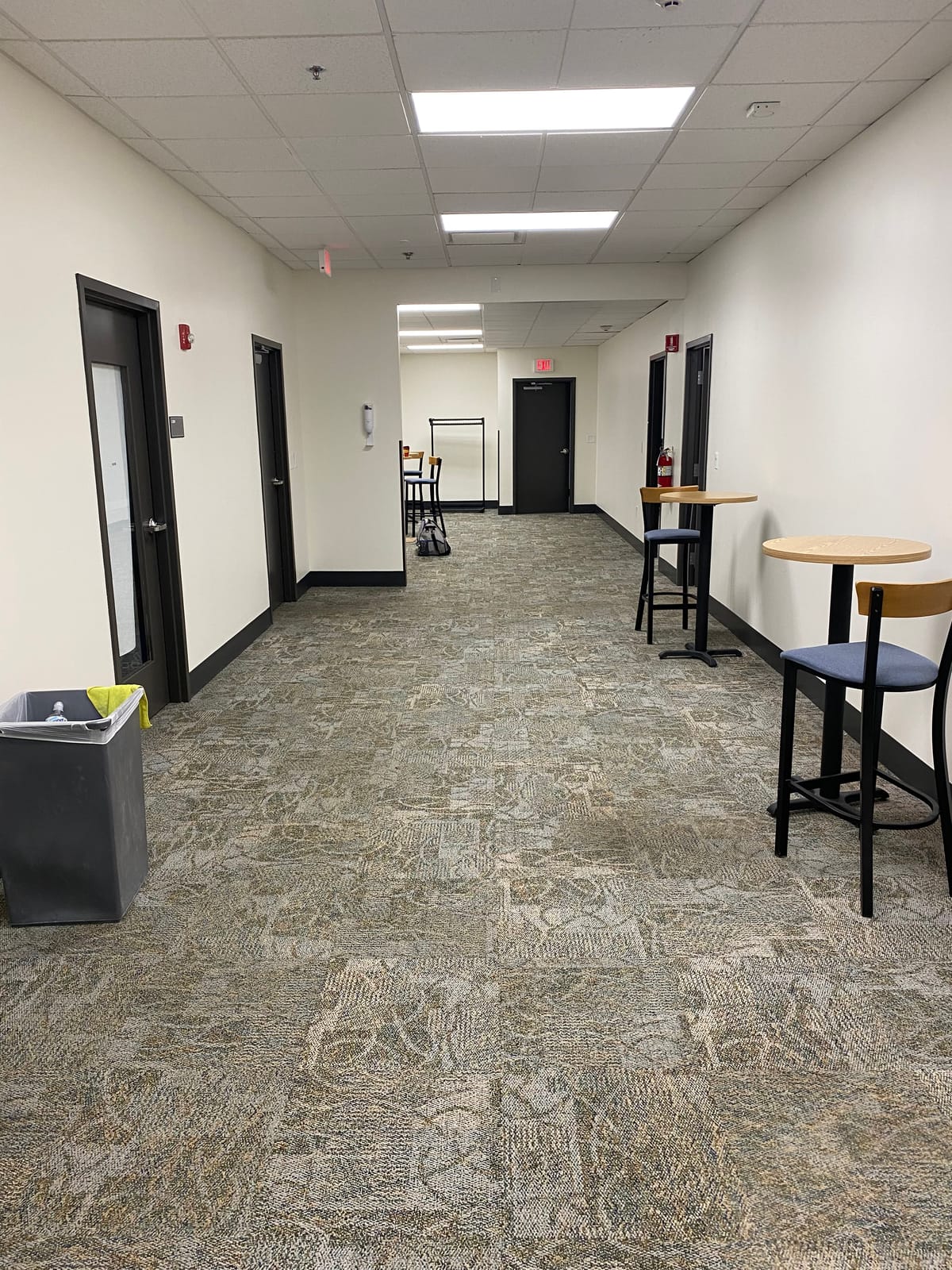
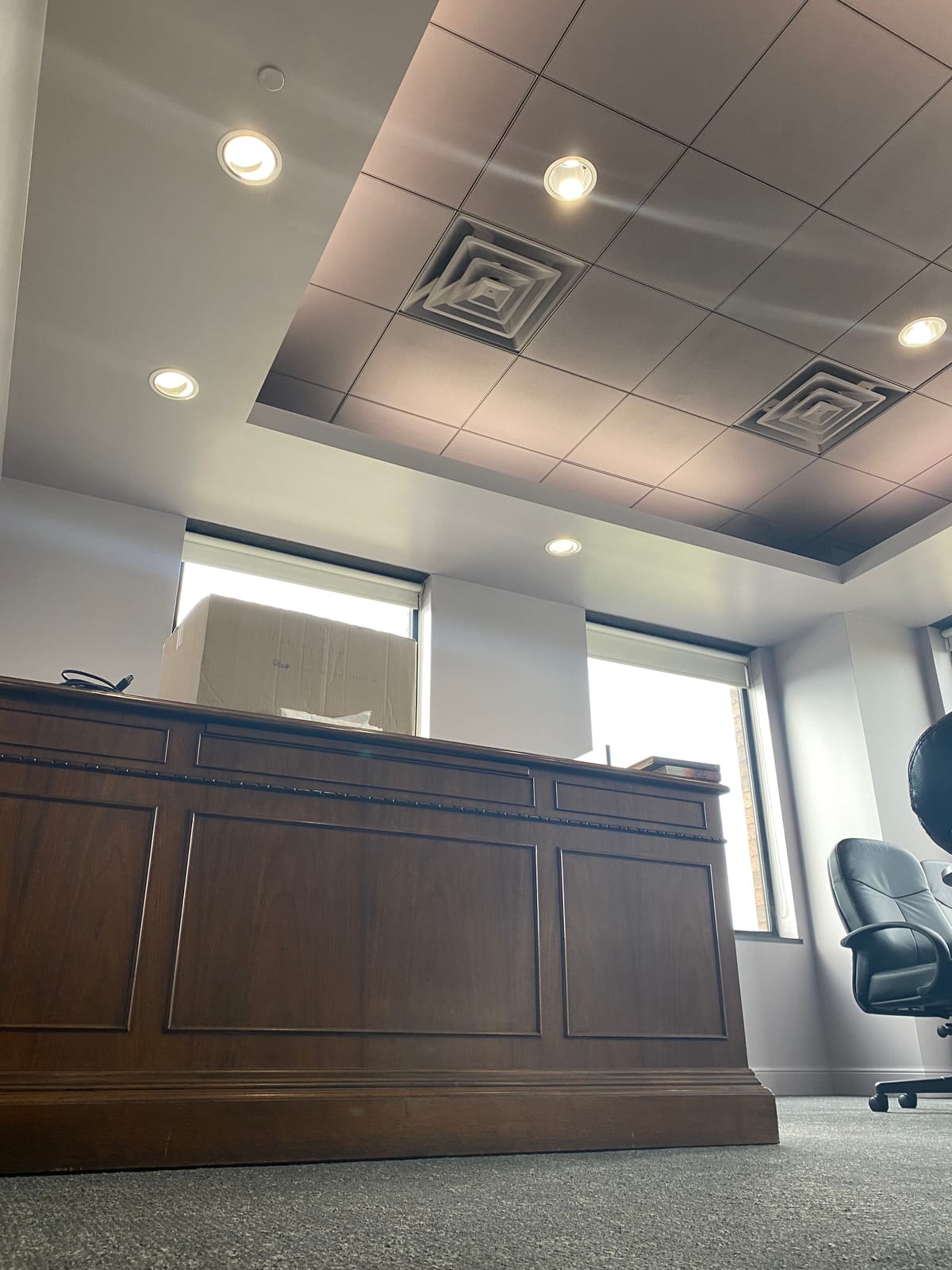
A services page can claim anything. A real building, prepped and repainted, is harder to fake.
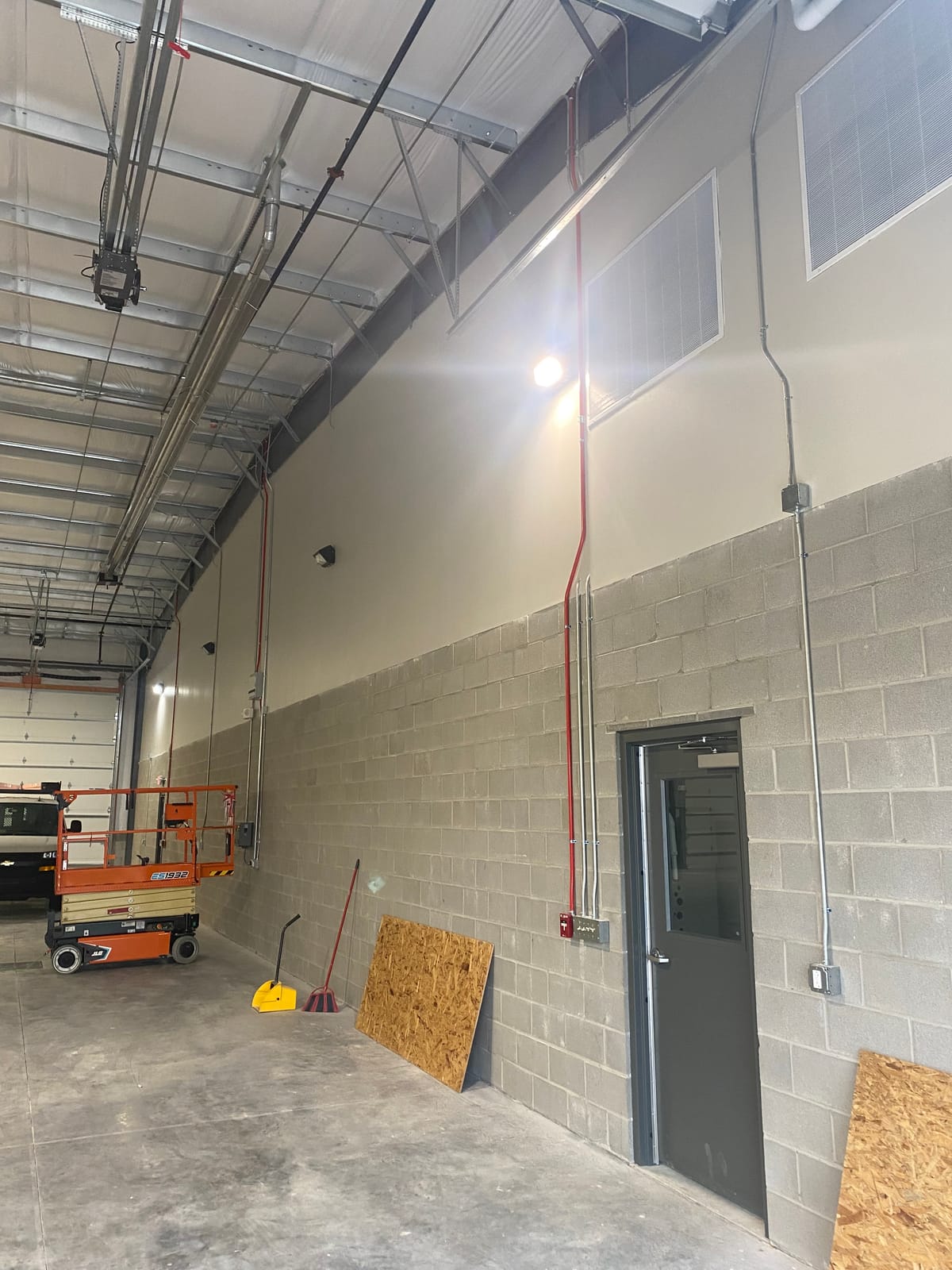
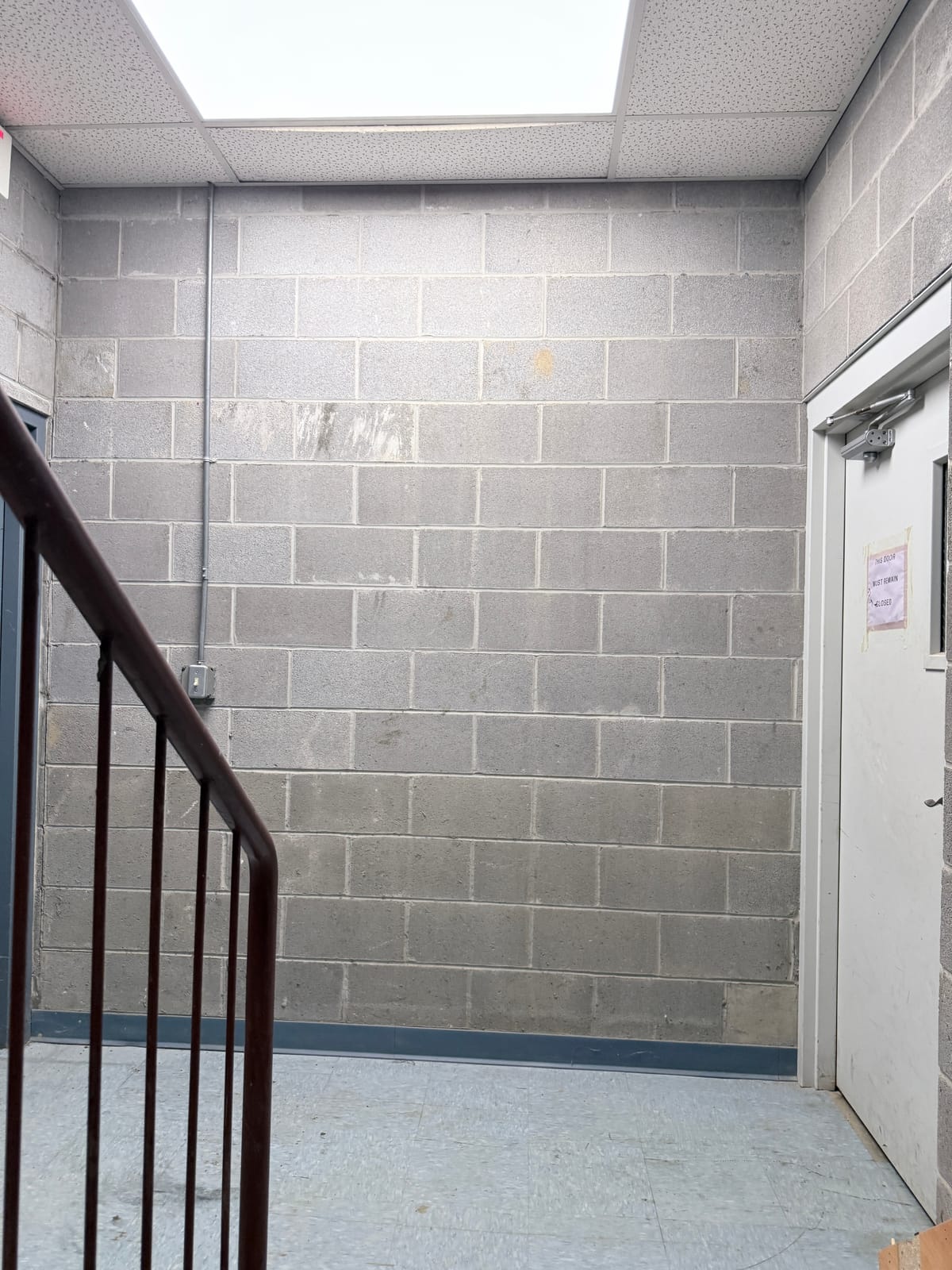
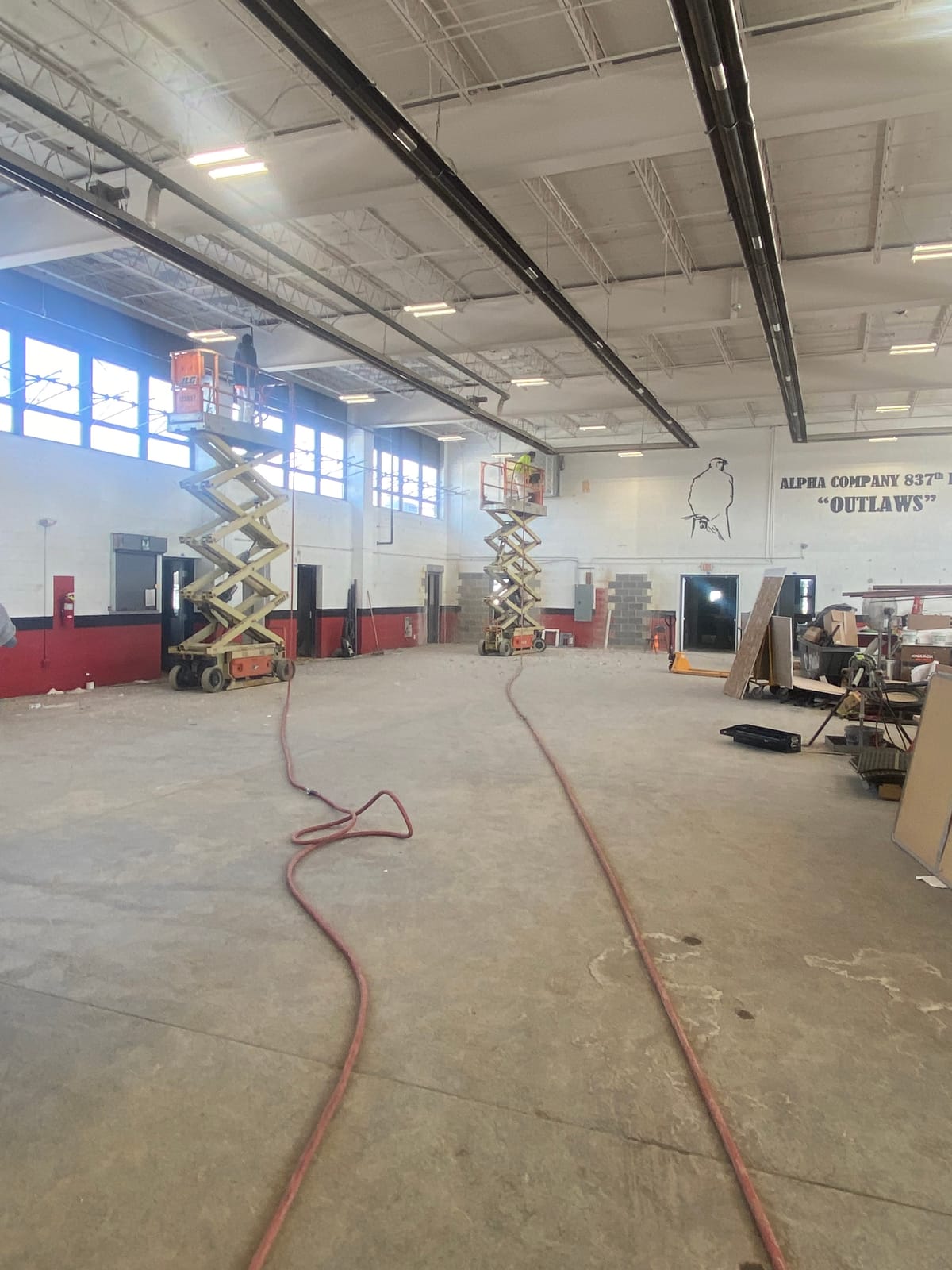
Straight Line Painting is a Commercial painting contractor in Canton, insured, OSHA certified, MBE and EDGE certified, working across Northeast Ohio since 2012.
Real Projects, Real Buildings
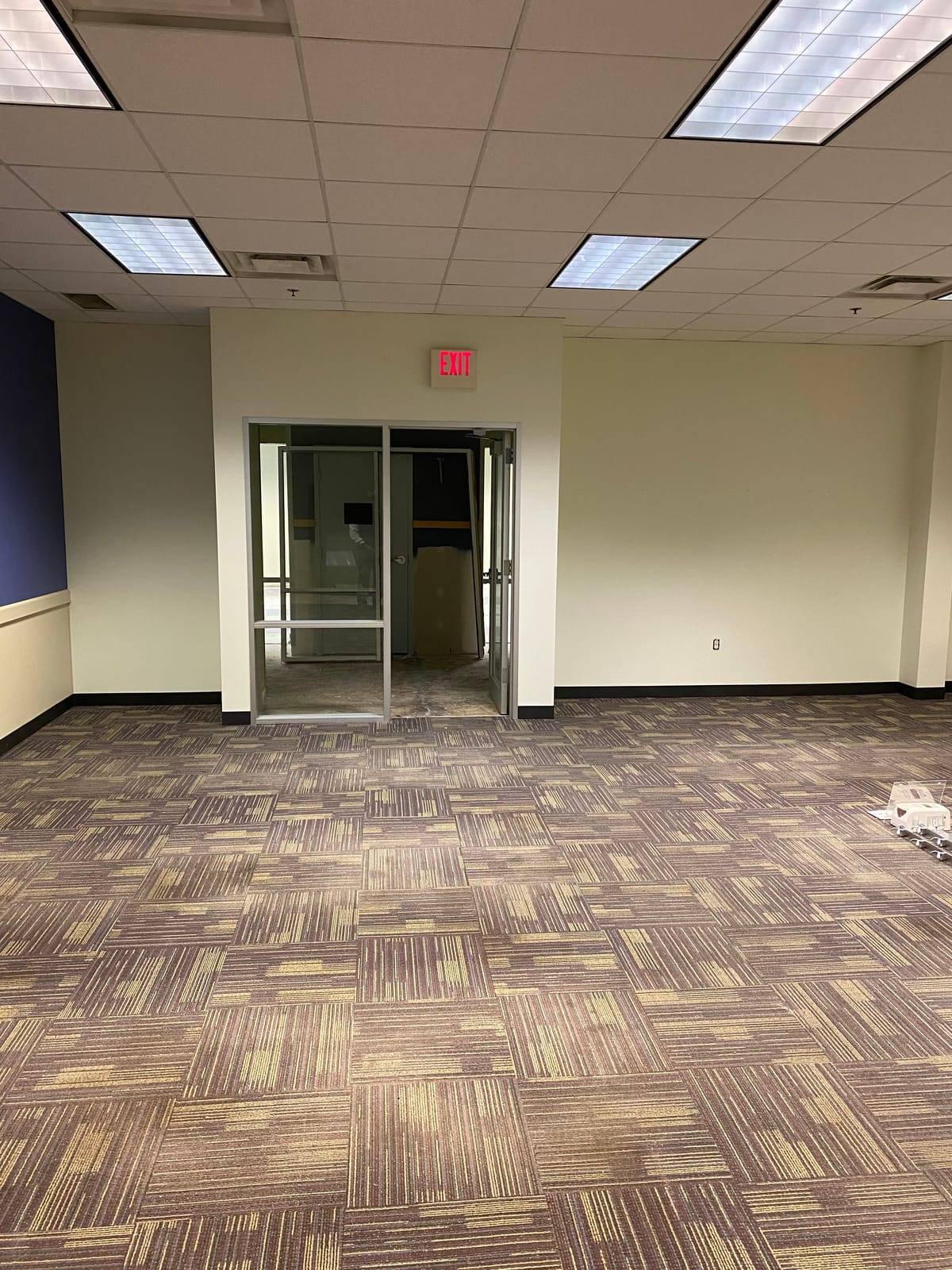
- Affordable Dentures & Implants
- Buffalo Wild Wings
- Blossom Hill Adult Daycare
- Church of The Western Reserve
- University Hospitals Ahuja Medical Center
- AutoZone
- Dollar General
- Dunkin'
Industrial Painting Questions Canton Buyers Ask
Do you paint industrial buildings while they stay in production?
Yes. Warehouse and plant work is broken into zones and phased around your shift schedule, racking, conveyor lines and sprinkler heads, with off-shift and weekend work built into the plan rather than treated as overtime. Some of the job, exterior walls, low-traffic areas, roof work, often does not need the shutdown at all; we tell you which parts do before we bid it.
Is dryfall really legal to spray in Ohio right now?
It depends on the specific product’s VOC content, not on the word “dryfall” alone. Ohio dropped its dry-fog limit to 150 grams per liter on January 1, 2024, and a classic solvent-borne alkyd dryfall that still reads under 400 g/L on its own data sheet no longer meets that limit. We spray a waterborne acrylic dryfall that does, and the OTC Phase II line on the current data sheet is the one-second way to check any product against that rule.
How high does my ceiling need to be for dryfall to work?
The published drop distance for the overspray to dry before it lands is ten to twenty feet at 55°F on a standard waterborne product, not the ten feet most people quote at a 77°F lab temperature. Clear height, racking, conveyor and lighting all cut into that number, and a Northeast Ohio building in February is a colder, more humid job than the same building in June. We confirm the actual clear height and conditions on the day before we promise a no-mask result.
My warehouse ceiling is the original shop primer from the joist manufacturer. Is that a real coating?
No, and the Steel Joist Institute’s own standard says so in writing: shop paint is described as an impermanent, provisional coating that can include drips, runs and sags, with rust expected at every abrasion. Treating it as a finish coat is why a twenty-year-old warehouse deck rusts at the same bolts every year. We grade the rust, prime any bare steel the same day it is cleaned, and treat the shop coat as what it actually is.
How do you know if a rusted metal building needs a full repaint or just spot repair?
We grade the existing rust with ASTM D610, which rates it zero to ten by percentage of surface rusted and notes whether it is spot, general or pinpoint rust. Spot rusting at a high grade is a spot-repair candidate. General rust at a low grade means the coating is failing everywhere, and spot work is money spent on a wall that will keep breaking through between repairs. We also test-patch and adhesion-test the coating that is not rusted before committing the building to one system.
Do I need block filler before you paint our CMU walls?
Almost always, and it is priced as its own coat, not folded into the wall paint. Filler runs ten to eighteen mils dry, several times the material of a standard wall coating, because concrete block is porous by its own manufacturing spec and the voids have to be filled before a finish coat can sit on top without pinholing. If the wall is efflorescing, we find the moisture source first; painting over active efflorescence just buys the failure twice.
What should I ask any industrial painting contractor, not just Straight Line, before I hire one?
Ask for their published surface-prep standard by SSPC designation, the coating system by manufacturer and product name, the cure time versus the recoat time (they are not the same thing), whether their insurance excludes overspray as a pollutant, and whether they carry a contractor-management-system registration if your site requires one. A contractor who answers those specifically, rather than with “quality materials” and “experienced crews,” is the one who has actually done this work before.
Do you handle lead paint on industrial steel?
We hold the EPA’s Lead Renovation, Repair and Painting certification, which covers pre-1978 homes, childcare facilities and preschools, not structural steel in a plant. Lead-bearing coatings on industrial steel fall under a separate OSHA standard, 1926.62, with its own exposure assessment and respiratory-protection requirements, and that is a real distinction worth asking any contractor about directly rather than assuming a residential certification covers it.
Ready to Get a Bid?
Tell us about the job and we will schedule around your hours.
Straight Line Painting LLC
1145 High Ave SW, Canton, OH 44707
Monday-Friday, 8:00 AM - 4:00 PM