
Warehouse & Industrial Floor Coatings in Canton, OH
A plant or warehouse floor is chosen by what actually crosses it, not by a product name off a price sheet. We survey a floor for point loading, rolling load, impact, abrasion, thermal exposure, and chemical exposure before recommending a system, because the most common reason an Industrial floor fails early is a coating specified without that survey. We serve plants and distribution buildings along the I-77 and US-30 corridors and across Stark County.
A plant or warehouse floor is chosen by what actually crosses it, not by a product name off a price sheet. We survey a floor for point loading, rolling load, impact, abrasion, thermal exposure, and chemical exposure before recommending a system, because the most common reason an Industrial floor fails early is a coating specified without that survey. We serve plants and distribution buildings along the I-77 and US-30 corridors and across Stark County.
- Owner: 25+ Years in the Trade
- Est. 2012
- Fully Insured & Workers Comp
- OSHA Trained
- MBE Certified
- EDGE Certified
When a Floor Needs an Exposure-Matched System
A floor that looks fine on the surface can still be one shift away from a coating failure if the system underneath it was never matched to what the building actually does. These are the exposures that decide the spec.
What an Industrial Floor Coating Survey Covers
How an Industrial Floor Coating Job Runs
- 01
Walkthrough
We look at the space or the plans in person or by photo, so the scope is based on the real building, not a guess.
- 02
Scope and bid
You get a written scope and a firm bid before any work starts, priced on the actual square footage and conditions.
- 03
Schedule
We set a start date and a sequence that works around your hours, your tenants, or your school calendar.
- 04
Prep
Surfaces are cleaned, repaired, and masked off before a drop of paint or coating goes down.
- 05
Application
Crews apply the coating or material to spec, with the site kept clean and safe throughout.
- 06
Punch list
We walk the finished space with you and close out anything on the list before we call it done.
- 07
Closeout
You get the final walkthrough, any warranty paperwork, and a clean handoff.
We give you a firm, written bid before any work starts, priced on the real scope, not a guess.
What Drives the Cost of an Industrial Floor Coating System
| Factor | Why It Moves the Number |
|---|---|
| Severity of chemical exposure | A urethane cement or novolac system built for acids, hydraulic fluid, or high-heat exposure costs more in material and installation labor than a standard epoxy or polyaspartic system, and both trade off some appearance and ease of installation for that resistance. |
| Traffic type and load | Aisles carrying forklift and pallet-jack rolling traffic typically need a heavier build-up than a lower-traffic storage or office-adjacent zone in the same building. |
| Impact and abrasion resistance required | A bay that sees dropped tooling or dragged steel stock needs a system rated for impact and abrasion, not just chemical resistance, which can change the product recommendation entirely. |
| Thermal cycling exposure | A floor that sees hot washdown or hot product against a cold slab needs a system that tolerates that flex without cracking, a different spec than a floor with stable ambient temperature. |
| Control joint treatment | Filling and detailing control joints under wheeled traffic is its own labor line, and skipping it is one of the most common reasons an otherwise correct coating fails early. |
| Slip resistance versus cleanability | A more aggressive slip-resistant texture is harder to keep clean in a food or pharmaceutical environment, so the finish itself is a trade-off decided during the survey, not a default. |
| Square footage and zoning | A floor priced as one uniform system costs differently than one zoned by exposure, with a heavier system in high-load aisles and a lighter one elsewhere. |
| Occupied vs. down building | Phasing a coating job around active production or shipping schedules costs more in sequencing and containment than one empty floor coated straight through. |
Industrial Floor Coatings Along the I-77 and US-30 Corridors
The I-77 and US-30 corridors carry a mix of distribution floors and manufacturing floors, and the two rarely need the same coating. A distribution floor mostly answers to rolling load from forklifts and pallet jacks moving the same aisle paths shift after shift, while a plant floor off one of those corridors can add chemical splash, hot process washdown, or dropped tooling into the mix. Treating both as the same "warehouse floor" spec is how a distribution-grade system ends up under a machining line it was never built to survive.
A plant running acids, hydraulic fluid, solvents, or food acids like lactic and citric on the floor needs the manufacturer chemical resistance chart pulled for the actual chemicals in that building, not a general claim that a coating is chemical resistant. Two floors that look identical from the aisle can need two different systems once the chemical exposure is named specifically, which is why the survey happens before the quote, not after.
Thermal exposure shows up more than most facility managers expect on a Northeast Ohio plant floor. Hot washdown or a heated process meeting a slab that has been sitting at ambient temperature through an Ohio winter is a thermal-shock cycle that a coating either tolerates or does not, and a system chosen without accounting for that cycling is a common source of cracking that has nothing to do with chemical exposure at all.
Control joints get treated as a finishing detail on too many bids in this corridor, and under wheeled traffic they are anything but. An unfilled control joint takes the brunt of every forklift or pallet-jack wheel that crosses it, and a coating that looks correctly installed everywhere else will still break down at the joint edges first. We fill and detail joints as part of the system, not as an afterthought once the field coating is down.
Matching a System to the Exposure
No single coating system wins in every Industrial environment, and a spec chosen off a price sheet rather than a walk-through of the actual floor is the most common reason an Industrial floor fails ahead of schedule. Epoxy and polyaspartic systems, covered on their own pages, cover a wide range of standard Commercial and light Industrial floors well. Where chemical and thermal exposure gets more severe, urethane cement and novolac epoxy systems are built to hold up where a standard system would break down, and both trade off some of the glossy, uniform appearance and the ease of installation that a standard epoxy or polyaspartic system offers.
The manufacturer chemical resistance chart, matched against the specific chemicals named for that floor, and the site survey are what actually decide the spec. We do not quote a system before walking the floor and naming the exposures it carries.
Why Canton Buyers Choose Straight Line
A plant floor that fails early almost always failed on the spec, not the installation, because someone chose a coating off a price sheet instead of what actually crosses that floor. We walk the exposure first and name the system it calls for. - Duane R. Harris, President
Straight Line Painting is a Commercial painting contractor in Canton built on structure, systems and service, insured, OSHA certified, MBE and EDGE certified.
Related Work
Flooring Contractor
Epoxy and polyaspartic floor coatings, concrete staining and OSHA-compliant line striping for warehouses and plants.
Read moreEpoxy floor coatings
Slab prep is the job, with systems chosen by use case for Stark County kitchens, warehouses and plants.
Read moreOSHA-compliant floor line striping and marking
OSHA 1910.22(b) aisle marking layout for Stark County warehouse floors.
Read moreWarehouse painting
Ceiling deck and racking work around live inventory in Massillon and I-77 corridor distribution centers.
Read moreReal Projects, Real Buildings
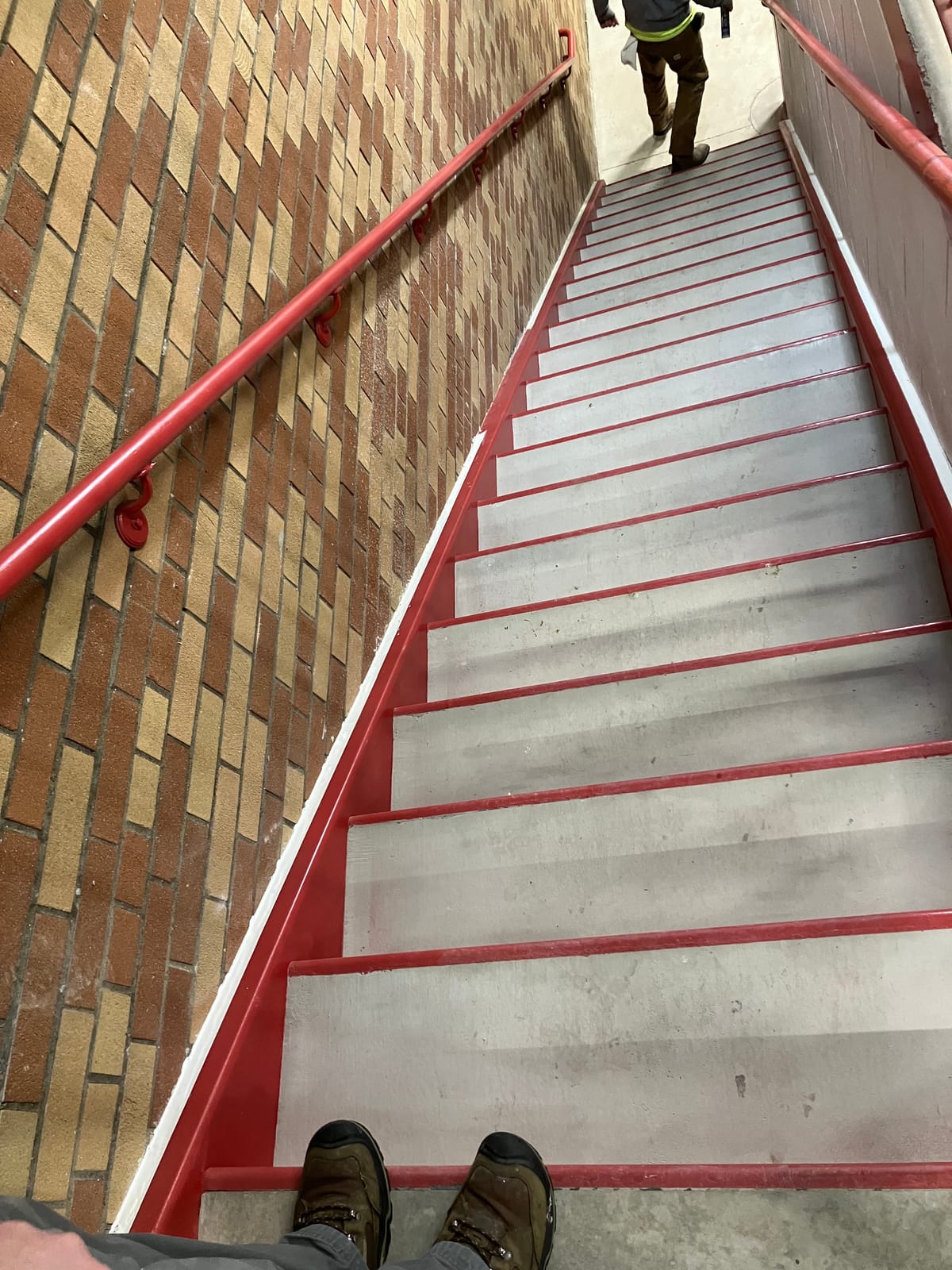
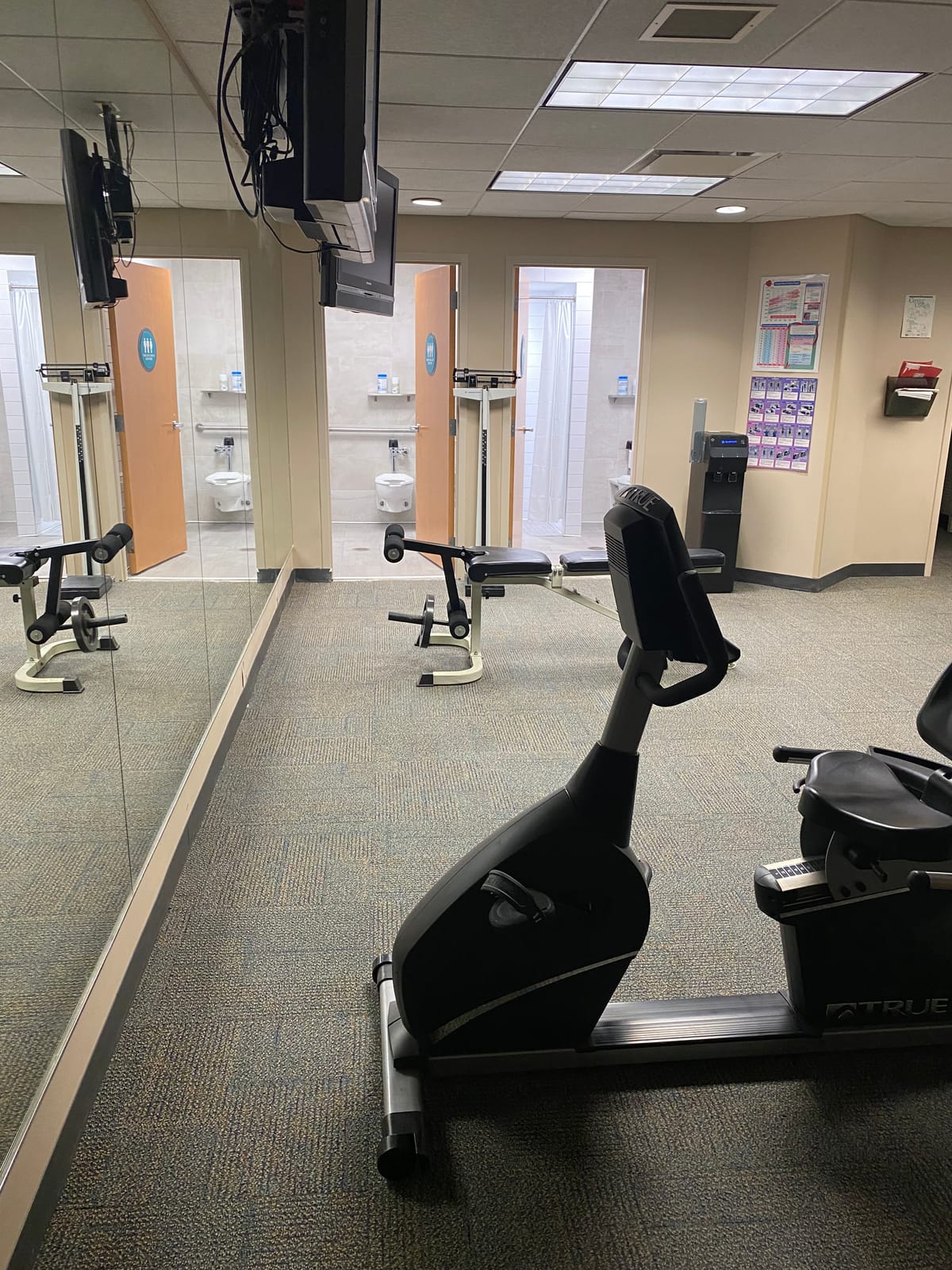
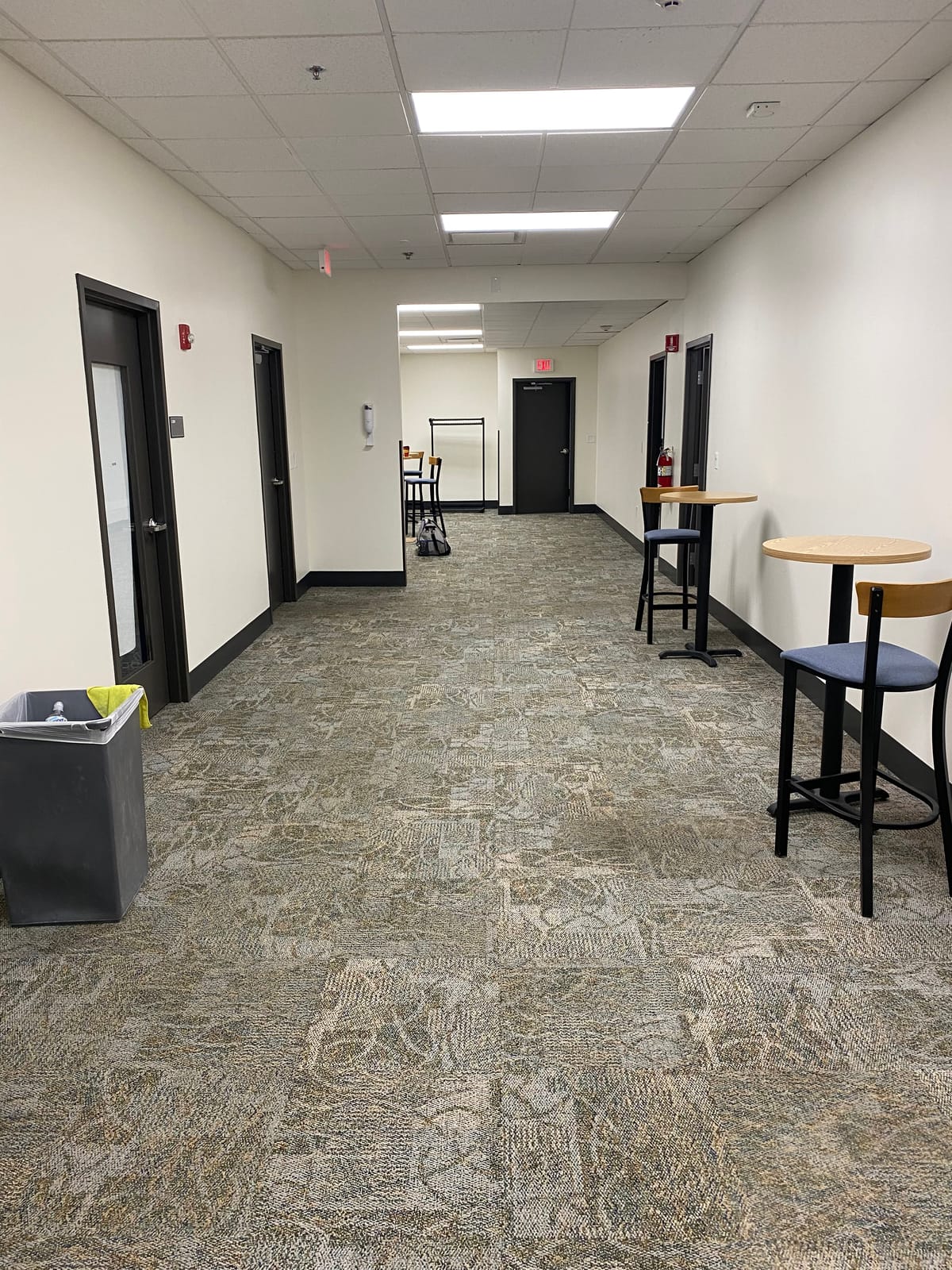
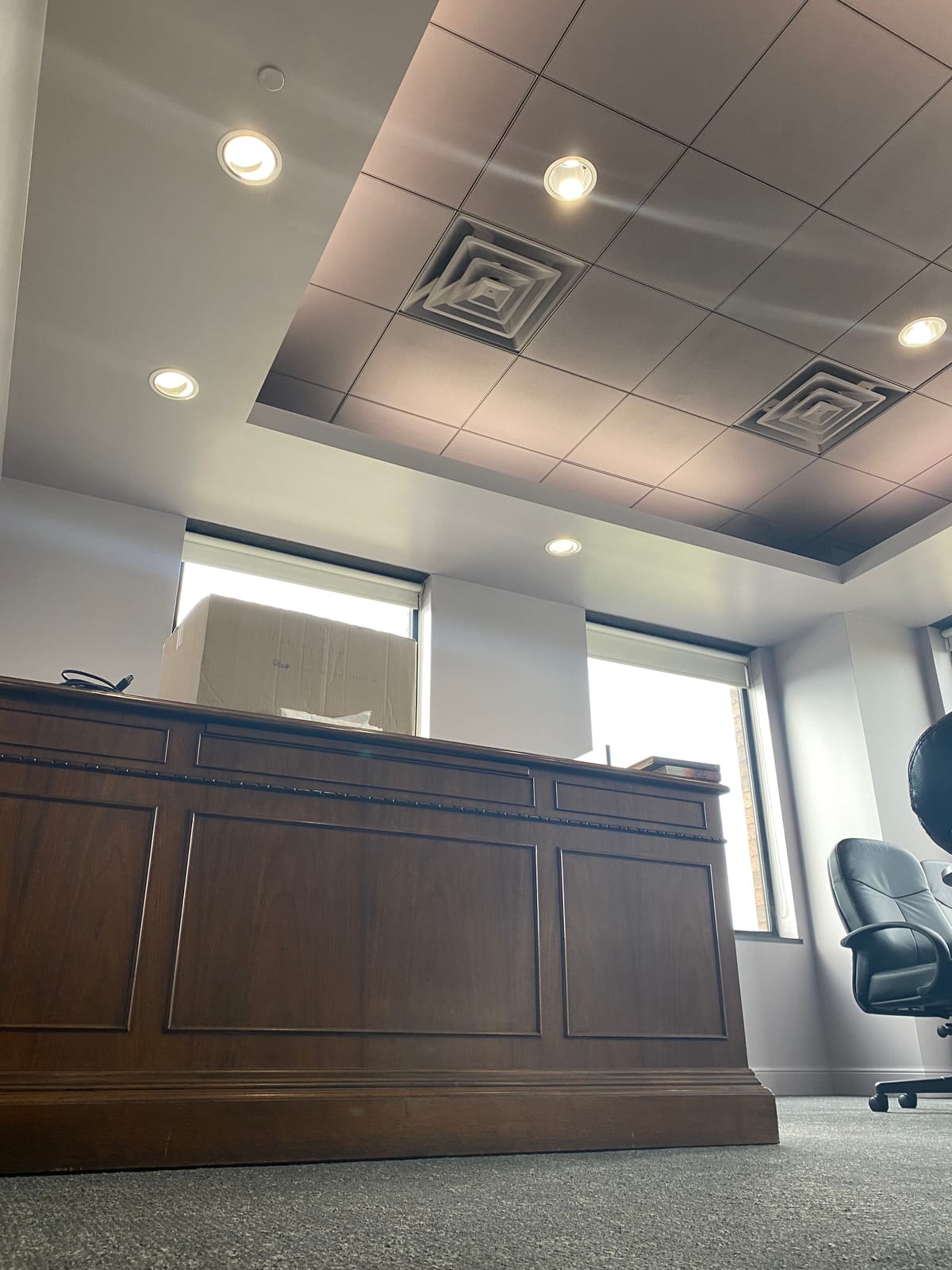

- Affordable Dentures & Implants
- Buffalo Wild Wings
- Blossom Hill Adult Daycare
- Church of The Western Reserve
- University Hospitals Ahuja Medical Center
- AutoZone
- Dollar General
- Dunkin'
Request a Bid
Got it. We're on it.
Your request is in. Our office will follow up to schedule a walkthrough or price it from what you sent.
Warehouse and Industrial floor coatings Questions Canton Buyers Ask
Which system survives forklift traffic?
It depends on what else the floor carries alongside the forklift traffic. A standard epoxy or polyaspartic system handles forklift and pallet-jack rolling load well on a floor without severe chemical or thermal exposure, while a floor that also sees acids, hydraulic fluid, or hot washdown alongside that traffic usually needs a urethane cement or novolac system to hold up. We name the exposure before naming the system.
How do you decide which coating system a floor needs?
We walk the floor and identify the point loading from racking or fixed equipment, the rolling load from forklifts and pallet jacks, impact from dropped tooling, abrasion from steel wheels or dragged stock, thermal cycling from hot process or washdown against the slab, and chemical exposure by family. The manufacturer resistance chart and that survey decide the spec, not a price sheet.
What is the difference between a standard epoxy system and a urethane cement or novolac system?
A standard epoxy or polyaspartic system covers most Commercial and light Industrial floors well, at a lower material cost and with an easier installation. Urethane cement and novolac systems are built for more severe chemical and thermal exposure, and that resistance typically comes with a higher material cost, a harder installation, and a less uniform, glossier appearance than a standard system.
Do you provide a chemical resistance rating for the coating you recommend?
We identify the chemical families a floor is actually exposed to, acids, alkalis, solvents, hydraulic fluid, or food acids, and match that against the coating manufacturer's own resistance chart for the systems under consideration. We do not quote a resistance figure without pulling the manufacturer's documentation for the exact chemicals named on that floor.
Why do control joints matter for an Industrial floor coating?
An unfilled or poorly filled control joint takes the direct impact of every forklift or pallet-jack wheel that crosses it, and under wheeled traffic it is a common point where an otherwise well-installed coating starts to fail first, from the joint edges inward. Filling and detailing joints is part of the coating system, not a separate finishing step.
Can a coating be too slip-resistant for our plant?
A more aggressive slip-resistant texture can be genuinely harder to keep clean, which matters in a food-processing or pharmaceutical environment where cleanability is its own requirement. That trade-off gets decided during the survey based on what the floor needs to do, not defaulted to the most aggressive texture available.
What plants and distribution buildings along I-77 and US-30 typically need a different system?
A distribution floor along those corridors that mostly sees forklift and pallet-jack traffic is usually a different spec than a plant floor with chemical splash, hot washdown, or dropped tooling in the mix. We treat those as two different surveys rather than one generic warehouse-floor recommendation.
Ready to Get a Bid?
Tell us about the job and we will schedule around your hours.
Straight Line Painting LLC
1145 High Ave SW, Canton, OH 44707
Monday-Friday, 8:00 AM - 4:00 PM